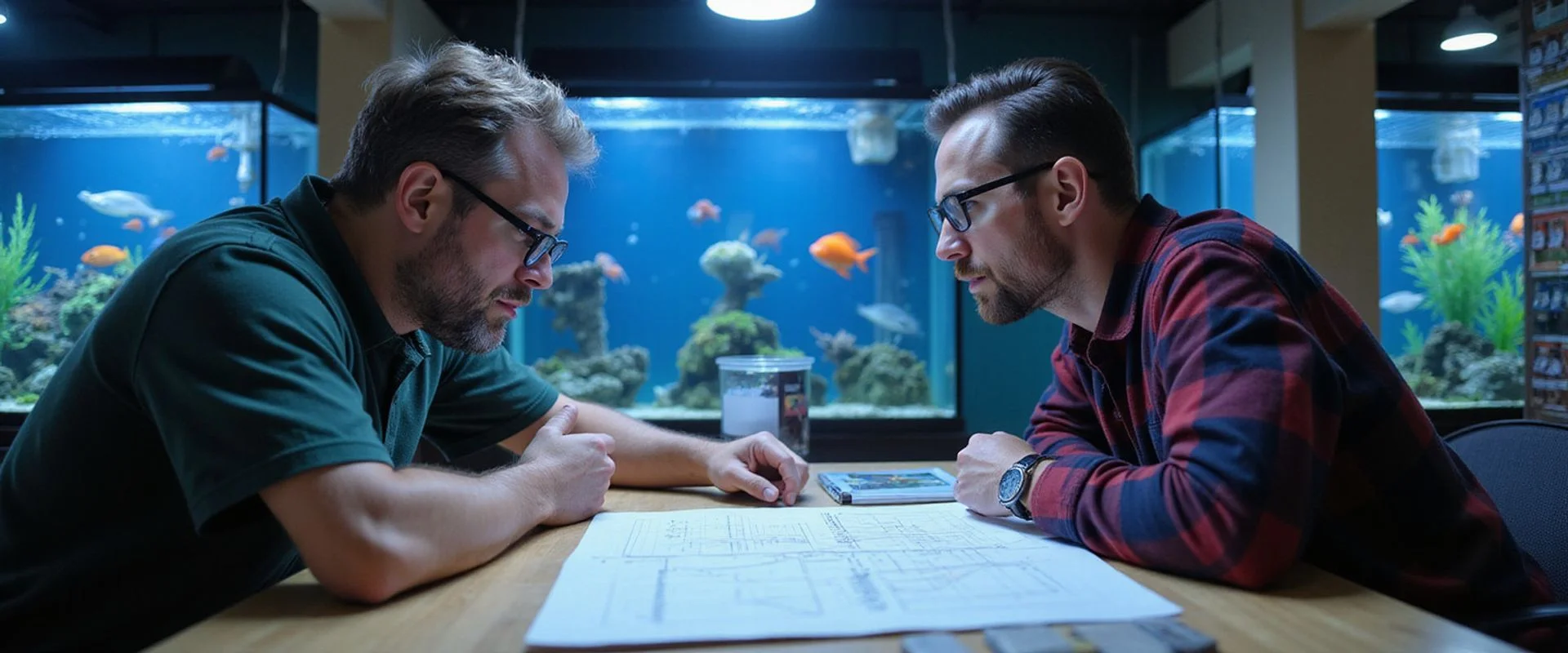
Are you thinking about starting a new aquarium? It’s an exciting project, but we know it can also feel a little overwhelming at first.
We see it all the time. People get caught up in the excitement and accidentally make small, avoidable mistakes with equipment or fish choices that lead to big headaches later. In our experience, many new-tank failures come from these simple oversights.
These early mistakes can end up costing you more in dead fish and frustration than a quick chat would have. That’s why we offer our aquarium setup consultation.
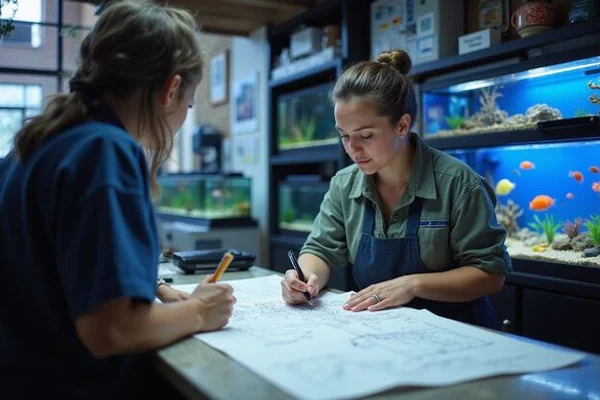
Let’s sit down together before you spend a single dollar. We’ll help you build a plan to get it right from the very beginning.
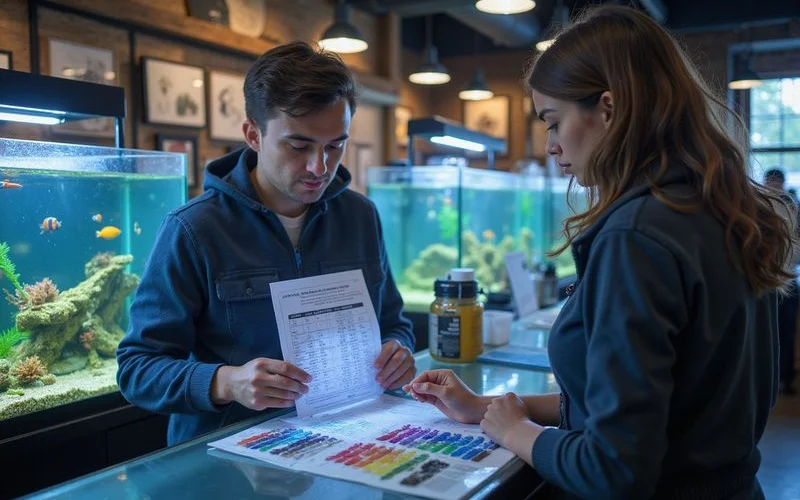
Here’s what our team covers in a typical 30-minute consult to make sure your new tank thrives:
Where the tank goes. This is more important than most people think. We’ll discuss floor support, especially since a filled 20-gallon tank can weigh over 200 pounds. Most residential floors can handle tanks up to 55 gallons without issue, but placement is key. We’ll also talk about avoiding direct sunlight from windows, which fuels algae growth, and keeping the tank away from AC vents that cause stressful temperature swings. The wrong spot can slowly kill a tank.
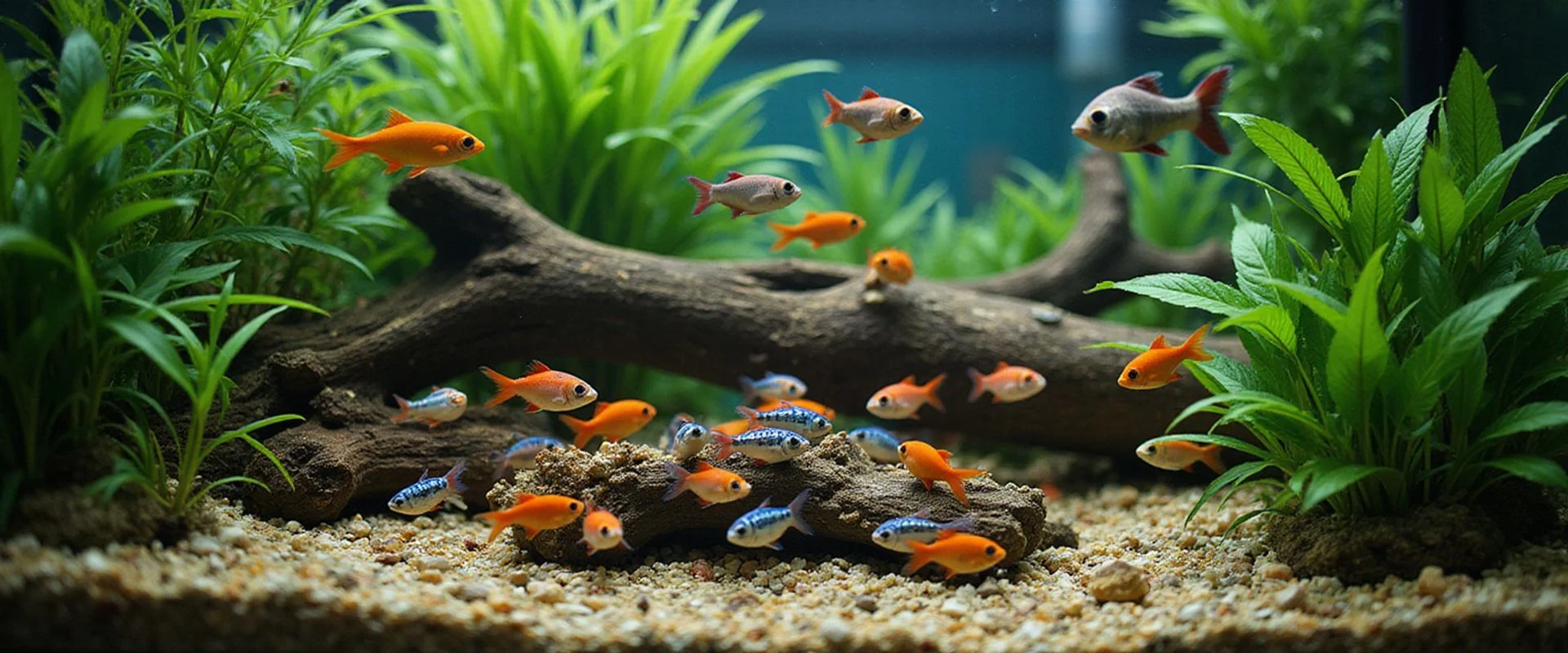
Tank size and shape. A standard 20-gallon “long” has more surface area than a 20-gallon “tall,” even though they hold the same amount of water. This extra length is great for fish that like to swim back and forth, or for creating separate territories for small cichlids like Bolivian Rams. A taller tank might be better for fish like angelfish that have a different body shape. We’ll match the tank’s dimensions to your dream fish list.
Filter sizing. This is your tank’s life support system. A good rule of thumb is to choose a filter with a Gallons Per Hour (GPH) rating that is at least four to six times the volume of your tank. For a 20-gallon tank, that means you’d look for a filter rated around 80-120 GPH. We’ll explain the difference between a hang-on-back (HOB) filter, like a reliable AquaClear, and a canister filter. You can also see our full aquarium filter sizing guide for more details.
Heater and lighting. Consistent temperature is crucial. For heaters, a good starting point is using 3-5 watts per gallon. So for a 20-gallon tank, a 75 or 100-watt heater is usually a perfect fit. If you want to grow live plants or keep coral, we’ll talk about PAR (Photosynthetically Active Radiation) values to ensure you get a light that supports life, not just one that turns on.
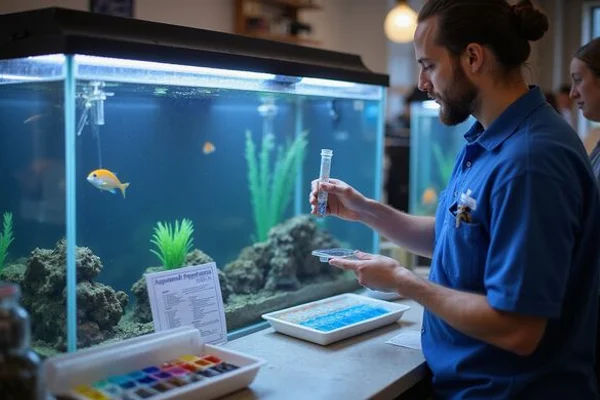
Cycling plan. This is the most critical step for a healthy tank, and skipping it is one of the biggest mistakes new hobbyists make. We strongly recommend a fishless cycle, which establishes the beneficial bacteria your tank needs to process waste safely. This process usually takes 4 to 6 weeks. We’ll walk you through how to use a pure ammonia source and what to look for on your test kit, like the popular API Freshwater Master Test Kit, to know when your tank is ready for fish.
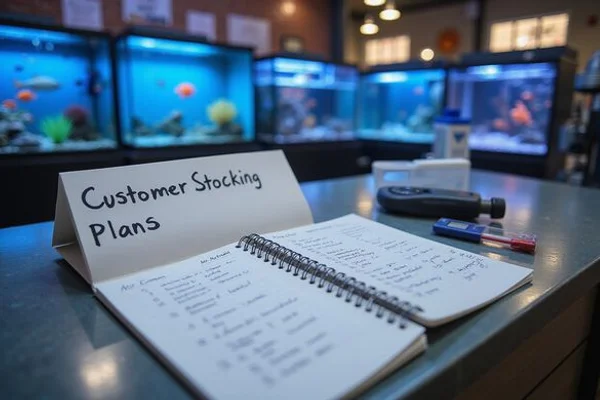
Stocking sequence. The order you add your fish matters. A common strategy is to add the hardiest, most peaceful fish first. These “dither fish” can make more timid species feel comfortable later on. Any fish that might be territorial should always be added last. We’ll help you create a written, step-by-step stocking plan to prevent aggression and keep the peace.
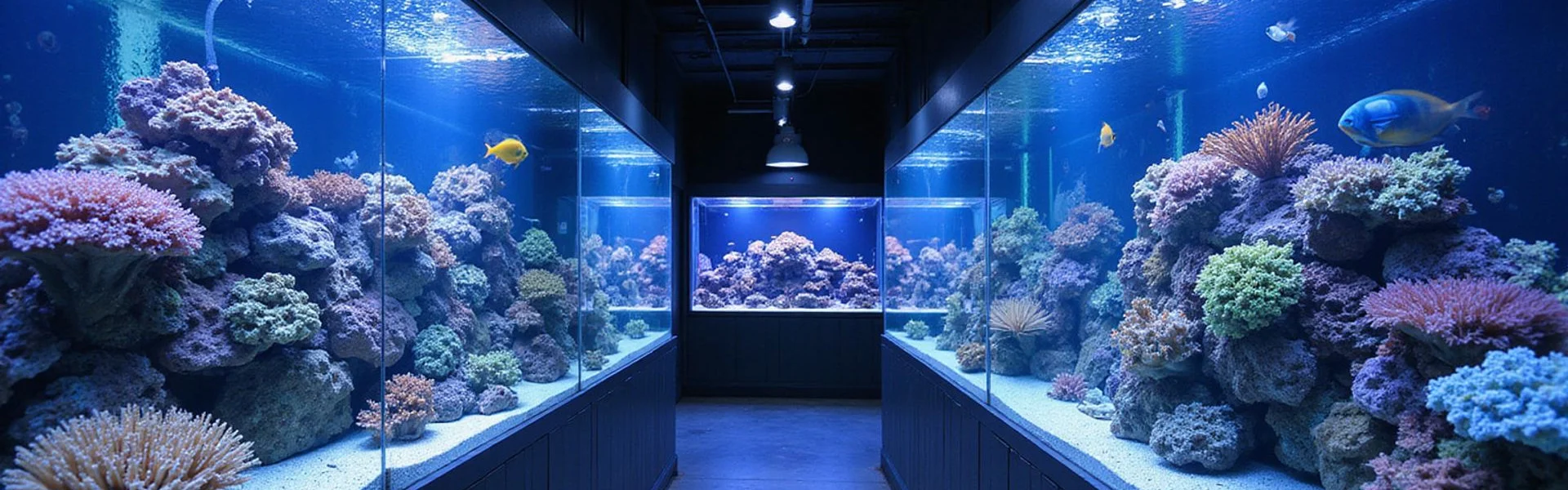
Walk-ins are always welcome during our open hours. If you’re planning a more complex reef build and want a guaranteed time slot, just give us a call first at (941) 555-0178.
And please, bring your kids! This is a family-friendly hobby, and we love meeting the next generation of aquarists.