Best Beginner Cichlids — Peaceful Options
If you want cichlid personality without Mbuna aggression, these six species belong on your shortlist.
You’ve probably heard that cichlids are aggressive. It’s a reputation they’ve earned, thanks to some notoriously tough Mbuna from Lake Malawi.
But that’s only one side of the story.
There is a fantastic group of peaceful cichlids that offer all the personality and interesting breeding behaviors without turning your tank into a warzone. They are some of the best beginner cichlids you can keep.
Here, we’ll walk through the six species we consistently recommend to new cichlid keepers. We will cover their specific needs and what makes each one a great choice for a first-timer.
1. Yellow Lab (Labidochromis caeruleus)
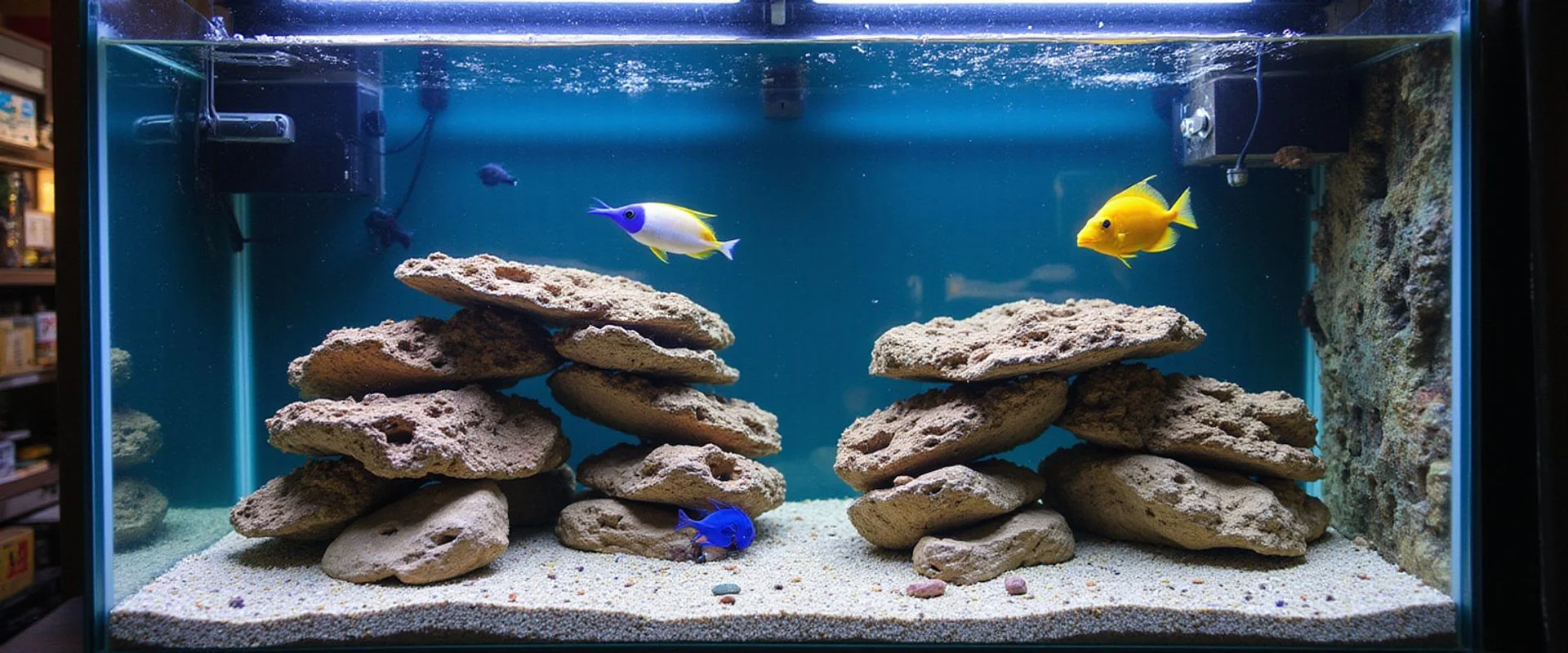
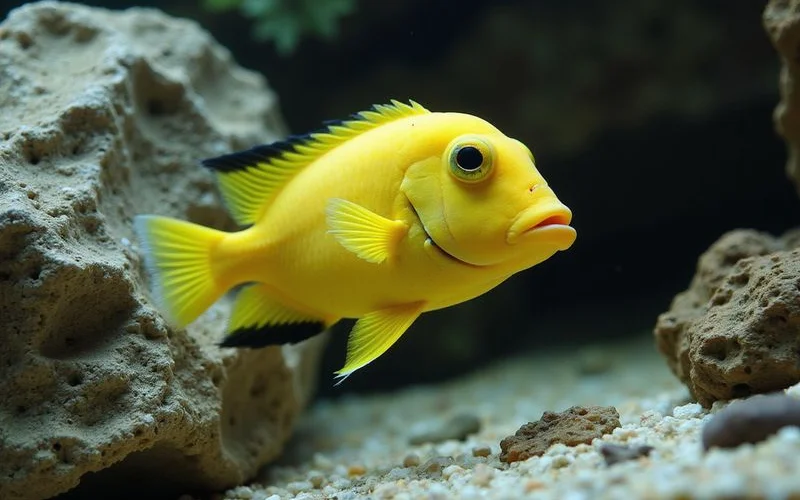
Yes, this is an Mbuna, but it’s the exception to the rule and a perfect gateway to African cichlids. Electric Yellow Labs are known for being one of the most peaceful fish from Lake Malawi. Their bright yellow coloration provides a stunning contrast in a rock-filled aquarium.
We’ve found they thrive in the harder, more alkaline water common in US municipal water systems, often with a pH between 7.8 and 8.6. Just add a crushed coral substrate to buffer the water and you’re set. A group of 4 to 6 will do well in a 55-gallon tank or larger, which helps disperse any minor aggression.
2. German Blue Ram (Mikrogeophagus ramirezi)
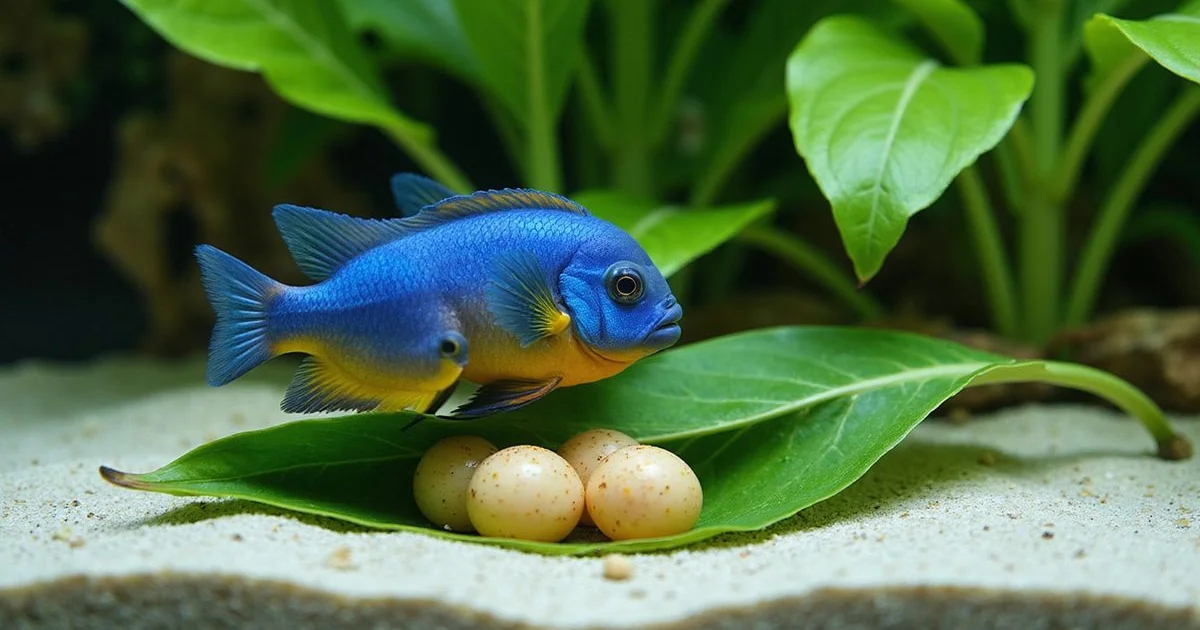
The German Blue Ram is the quintessential peaceful South American dwarf cichlid. They are famous for their brilliant blues and yellows, reaching a manageable adult size of about 2.5 inches. A bonded pair can live happily in a 30-gallon planted tank.
These fish do have some specific requirements. They prefer warmer water, ideally between 82-86°F. While they can adapt, they show their best colors in softer, slightly acidic water. A word of caution: many rams from large chain stores have a poor track record due to questionable breeding and hormone treatments. We recommend sourcing them from a local shop that properly quarantines their fish.
3. Bolivian Ram (Mikrogeophagus altispinosa)
If you like the look of the German Blue Ram but want something more forgiving, the Bolivian Ram is an excellent choice. It’s the hardier cousin, trading some of the electric blue for subtle gold and grey tones with red-tipped fins.
This tolerance makes them one of the best easy cichlids for beginners. They adapt well to typical tap water conditions and are less demanding about temperature than German Blue Rams. You can comfortably house a pair in a 30-gallon tank. They are generally less temperamental, making them a more reliable choice for a first dwarf cichlid.
4. Kribensis (Pelvicachromis pulcher)
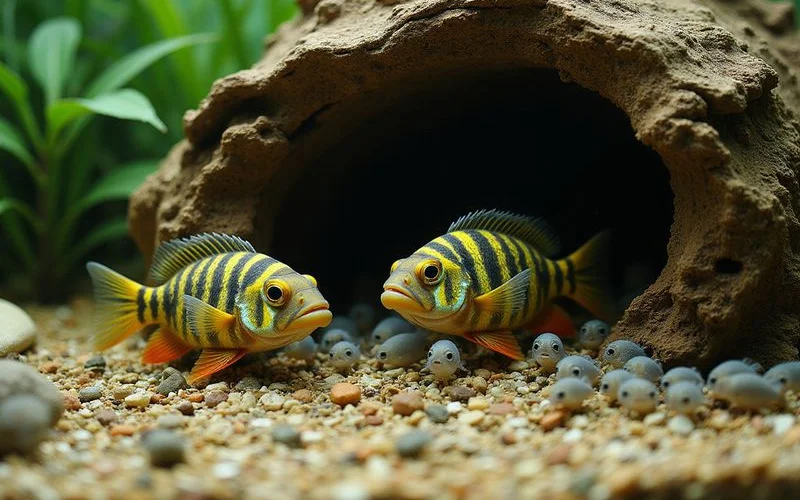
This West African dwarf cichlid is a fantastic addition to a community tank. The “Krib” is known for the female’s vibrant cherry-red or plum-colored belly, which becomes especially bright during breeding. Outside of spawning, a pair is quite peaceful and can be kept with robust tank mates like Congo tetras and Corydoras catfish.
A pair will claim a small cave, often a coconut shell or a small terracotta pot, as their territory. Be prepared, as Kribensis are prolific breeders. A single spawn can result in 50 to 100 fry. You will need a plan to either raise the fry in a separate tank, sell them, or allow tank mates to control the population.
5. Apistogramma cacatuoides (Cockatoo Dwarf Cichlid)
For smaller tanks, the Cockatoo Dwarf Cichlid is a superb choice. Males are the showstoppers, growing to about 3 inches and displaying incredible finnage with bright orange and red markings, especially in variants like the “Triple Red.”
These fish are harem breeders. The ideal setup in a 20-gallon long aquarium is one male with two or three females. They need plenty of hiding spots created by driftwood, leaf litter, and small rock caves to feel secure. Clean water is non-negotiable for them, so a mature, well-maintained tank is a must.
6. Angelfish (Pterophyllum scalare)
Many aquarists don’t realize that the classic Angelfish is a South American cichlid. They are generally peaceful, especially as juveniles, though they can become a bit territorial as they mature and pair off. Their tall, graceful bodies require a tank with more height.
A 55-gallon tall tank is a great home for a pair or a small group. A critical planning note involves their tank mates. Angelfish will opportunistically eat very small fish. Neon tetras, ember tetras, and guppies are often at risk, so choose larger companions like Black Skirt Tetras or Praecox Rainbowfish.
What to skip if you’re new
- Oscars. They get huge (over 12 inches), produce a massive amount of waste requiring heavy filtration, and are too aggressive for a beginner’s community tank.
- Jack Dempsey. They live up to their boxer namesake. They are highly territorial and aggressive.
- Convict. These are incredibly easy to breed, but that’s the problem. A pair can quickly fill a tank with aggressive fry, overwhelming a new hobbyist.
- Auratus, Demasoni, Kenyi. These are the specific Mbuna that give the group its aggressive reputation. They are beautiful but require advanced techniques to manage their behavior.
Tank planning
For those leaning toward the African species on our list, you can find more information in our cichlid setup guide. If you’re still deciding between the two continents, our comparison piece breaks down the key differences in care and equipment.
When you’re ready to get started, you can see our current cichlid stock here. We often have the peaceful cichlids on this list in rotation.
Every fish we sell is quarantined for two weeks to ensure it’s healthy. Our team is always here to help you plan your stocking to make sure you have a successful, peaceful cichlid tank.