Tank Mates That Work With Bettas
Six species that genuinely work in a 10+ gallon planted betta tank, and the species to never, ever pair with a male betta.
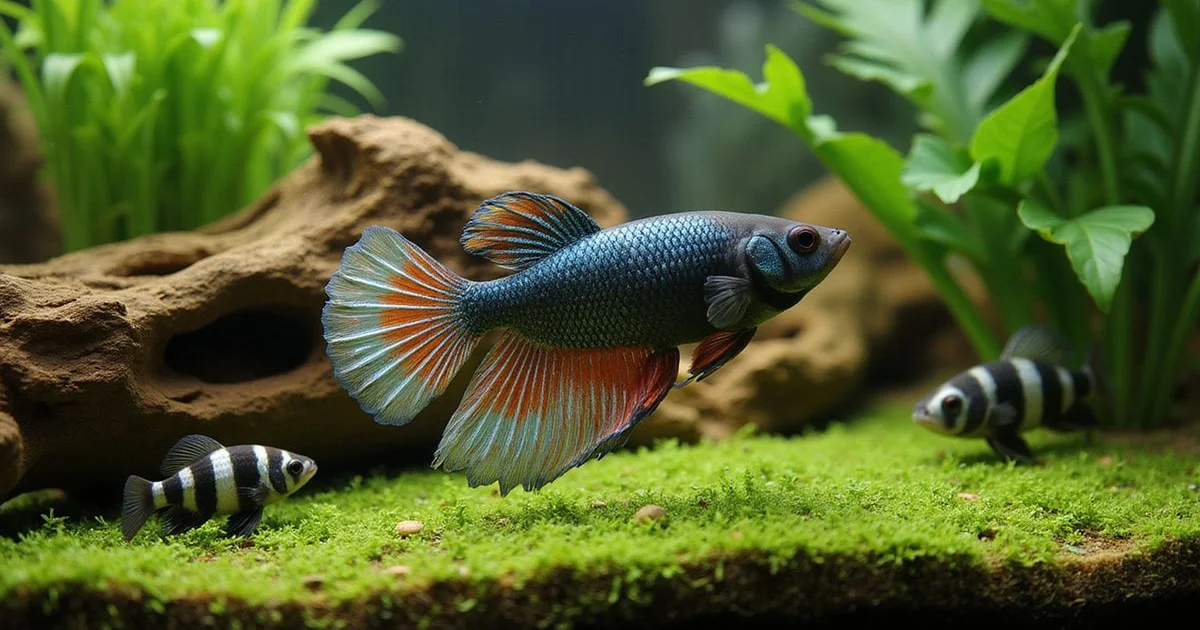
You know the feeling. A solo betta in a beautifully planted five-gallon tank is a classic, peaceful setup.
But once you upgrade to a ten-gallon tank or larger, the idea of a lively community aquarium starts to get appealing.
We’ve helped hundreds of customers build successful betta community tanks. The key is choosing tank mates that are not only peaceful but also occupy a different niche in the aquarium, which reduces competition and stress. It is a careful balancing act.
Here’s our breakdown of the species that work well with male bettas, the ones that absolutely don’t, and how to make the right choice for your setup.
Tank size matters first
The single biggest factor for a peaceful betta community tank is providing enough space. Overcrowding is the primary cause of stress and aggression.
- 5 Gallons: This size is suitable for a solo betta only. Adding any other fish creates too much waste, known as bioload, and stresses the betta.
- 10 Gallons: Here you can have a betta plus one or two small, bottom-dwelling species. Our recommendation is to stick to snails or a small group of pygmy corydoras.
- 20 Gallons (Long): This is the sweet spot for a true betta community tank. It allows for a betta, a school of small mid-water fish, and a group of bottom dwellers without causing territorial issues. A “long” style tank is better than a “tall” one because it provides more horizontal swimming space.
What works
1. Harlequin rasboras
These are one of our top recommendations. Harlequin rasboras are peaceful, stay in a tight school, and won’t nip at your betta’s fins. Their copper-orange color doesn’t trigger a betta’s territorial aggression, which is often set off by bright reds and blues.
We suggest a school of at least six in a 15 or 20-gallon tank. Their active, shoaling behavior can even make a shy betta feel more secure. Both species thrive in similar water parameters, preferring temperatures between 75-80°F.
2. Ember tetras
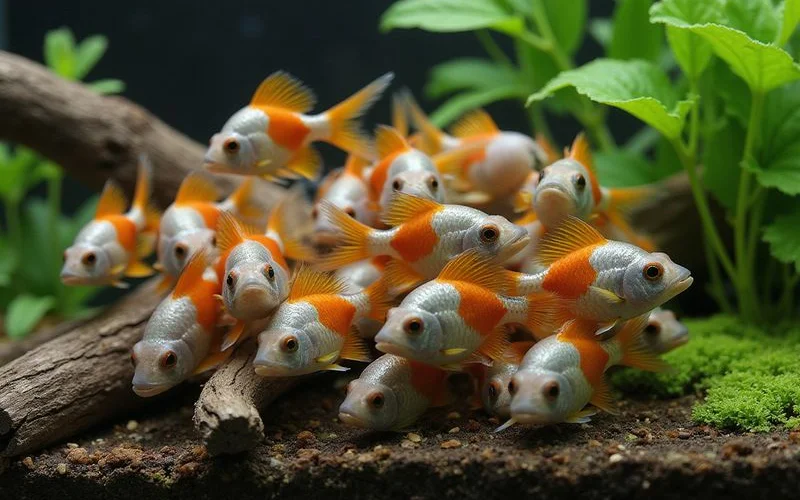
Ember tetras are another excellent choice. They are smaller and generally less nippy than their neon tetra cousins. Their uniform orange glow is beautiful without being flashy enough to provoke your betta.
A school of six to eight is perfect for a 10-gallon tank or larger. They are timid fish, so a well-planted tank with hiding spots from plants like Java Fern or Anubias is essential to keep them comfortable.
3. Kuhli loaches
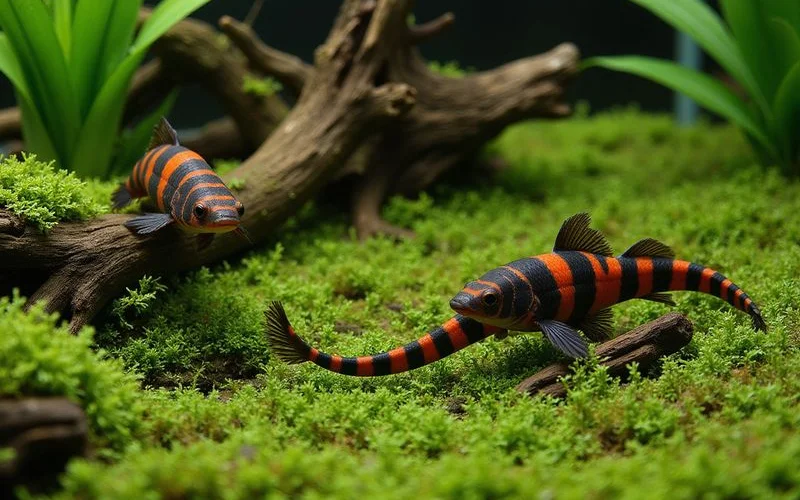
These eel-shaped bottom dwellers are quirky, peaceful, and fascinating to watch. Kuhli loaches are nocturnal, so they spend most of the day hidden away in sand or under decor like Mopani wood, coming out at dusk to forage.
They completely ignore bettas, and bettas ignore them. You’ll need a group of at least four, as they are highly social with their own kind. A sandy substrate is a must to protect their delicate whisker-like barbels.
4. Pygmy corydoras
Reaching only about one inch as adults, Corydoras pygmaeus are tiny, active bottom-dwellers. They are true schooling fish and need a group of at least six to feel secure.
Our team always reminds customers that these fish need their own food source. They are scavengers but cannot survive on betta leftovers alone. Sinking micropellets or wafers are necessary for their health. Like kuhli loaches, they require a fine sand or smooth gravel substrate to prevent injury.
5. Otocinclus
Often called “otos,” these small catfish are algae-eating machines. They are entirely peaceful vegetarians that will graze on surfaces and leave your betta alone.
The crucial factor for otos is that they need a mature, established aquarium. We advise waiting at least three to six months after setup before adding them. This ensures there is enough biofilm and soft green algae for them to eat, as they often starve in new tanks.
6. Snails (Mystery or Nerite)
Snails are a safe, low-maintenance addition. A betta may occasionally flare at a snail, but they are too slow and armored to be harmed.
For most setups, we recommend Nerite snails. They are fantastic algae eaters and, most importantly, their eggs cannot hatch in freshwater, so you won’t have a population explosion. Mystery snails add a lot of personality and get about the size of a golf ball, but they may lay fertile egg clutches above the waterline that you’ll need to remove.
What never works
- Other Male Bettas: They will fight, often to the death. There are no exceptions to this rule.
- Male Guppies: The combination of bright colors and long, flowing tails almost always triggers a betta’s territorial instincts. The betta sees the guppy as a rival and will attack it.
- Tiger Barbs and Serpae Tetras: These species are notoriously aggressive fin nippers. They will harass the slow-moving betta and shred its delicate fins, leading to stress and infection.
- Goldfish: This is a common but dangerous mistake. Goldfish are cold-water fish that thrive in temperatures below 72°F, while bettas require tropical temperatures of 78-82°F. Goldfish also produce a massive amount of waste, fouling the water for a betta.
- Most Cichlids: This includes popular fish like Angelfish, Jack Dempseys, and Convict Cichlids. They are either large and aggressive enough to eat a betta or territorial enough to bully it relentlessly.
Riskier choices
These pairings can work, but success depends entirely on the individual betta’s personality and a carefully managed environment.
- Neon Tetras: While popular, they are known to be fin-nippers. This risk is lower in larger tanks (20+ gallons) with big schools (10+ neons), but it’s always a gamble.
- Cherry Shrimp: In a very heavily planted tank with lots of hiding spots like Java Moss, adult shrimp are often safe. However, a betta will almost certainly eat any baby shrimp it can find. They are an expensive snack.
- Female Bettas: Creating a “harem” with one male and multiple females is extremely difficult and not recommended. The male will often harass the females constantly, leading to severe stress or death. This should only be attempted by experienced breeders in very large, densely planted tanks.
The truth is, every betta has a unique personality. We have seen bettas that lived peacefully with tetras for years, and others that eliminated tank mates within hours.
If you add other fish, you must watch your tank closely for the first 48 hours. Have a backup plan ready, like an aquarium divider or a separate 5-gallon hospital tank, just in case things don’t work out.
For more details on tank setup, you can see our guide on the minimum tank size for a healthy betta. To see our full selection, our betta stock changes every week. If you visit us and tell us about your stocking plan, we can even help match a betta’s observed personality to your specific tank.