Common Freshwater Fish Diseases — Ich, Fin Rot, and Velvet
Visual ID, root causes, and the meds we'd reach for. Ich, fin rot, velvet, dropsy. Free in-store water testing in Sarasota.
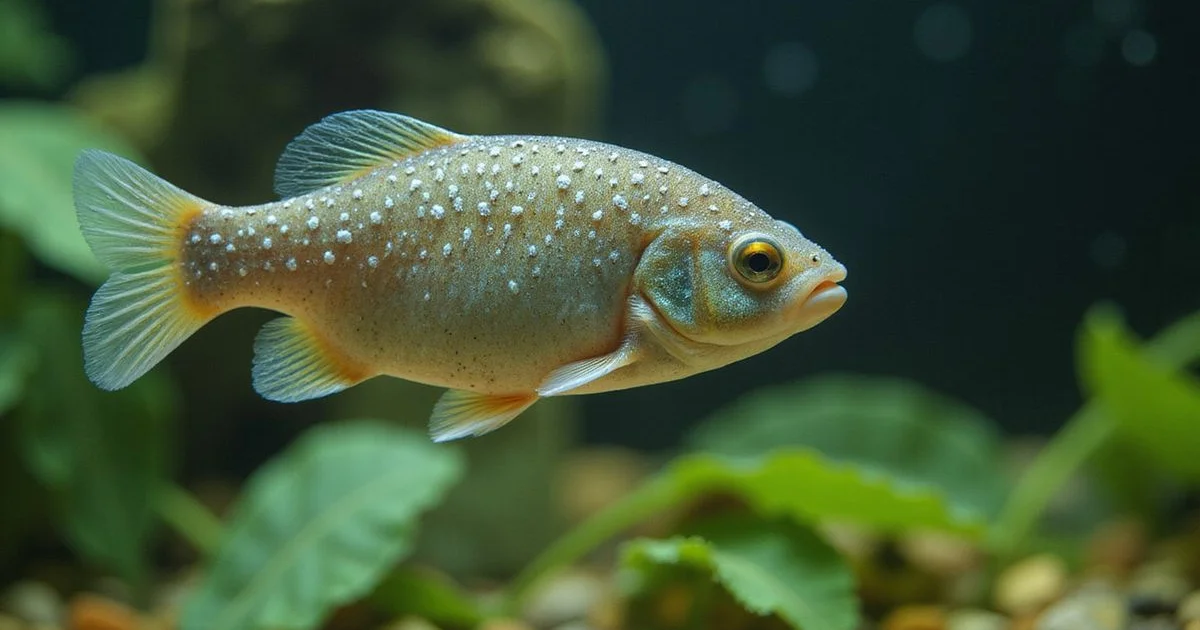
You know the feeling. You glance at your aquarium and something just seems off. Maybe a fish is hiding more than usual, or its fins look a little ragged.
In our experience, a sick fish almost always points back to one of two root causes: poor water quality or a new fish that was added without being quarantined.
Identifying the specific disease quickly is the key to saving your tank. A fast, correct diagnosis leads to effective treatment, while a slow or wrong one can unfortunately lead to losing fish. We’re going to walk through the most common freshwater fish diseases we see, how to spot them, and which treatments to use.
1. Ich (White Spot Disease)
Signs: The classic sign of Ich is small white spots on the body and fins, looking like grains of salt. You may also see fish “flashing,” which is when they rub their bodies against rocks or decor to scratch the itch. Other signs include clamped fins and lethargy.
Cause: This disease is caused by a parasite called Ichthyophthirius multifiliis. It’s a protozoan that is often present in small numbers. It becomes a major problem when fish are stressed, often from temperature swings or the introduction of a new, infected fish.
Treatment:
- Raise the temperature: Increase your aquarium temperature to 86°F. This speeds up the parasite’s life cycle, which at 75°F can take up to 7 days, to just a day or two. The medication can only kill the parasite in its free-swimming stage, so this makes treatment much faster. Do not use this method for goldfish or other coldwater species.
- Add aquarium salt: Use 1 teaspoon of aquarium salt per gallon of water. Salt helps disrupt the parasite’s fluid regulation. You should skip this for scaleless fish like loaches and some catfish, which can be sensitive.
- Use a targeted medication: For stubborn cases or sensitive fish, we rely on products like Aquarium Solutions Ich-X or API Super Ick Cure. These are effective and generally safe for most fish when used as directed. Always remove any carbon from your filter during treatment, as it will remove the medication.
- Continue treatment: Keep the heat up and continue medication for a full week after the last white spot has disappeared. This is a common mistake; stopping too soon allows the parasite cysts in the gravel to hatch and re-infect your fish.
2. Fin Rot
Signs: Fin rot appears as ragged, decaying, or eroded edges on a fish’s fins or tail. The edges might turn white, and as it gets worse, you may see red streaks or inflammation as the tissue erodes back toward the body.
Cause: This is a bacterial infection, typically caused by Aeromonas or Pseudomonas bacteria. These bacteria are always present in an aquarium. They only become a problem when a fish is stressed, usually from poor water quality, which weakens its immune system.
Treatment:
- Test your water immediately: This is the most critical first step. Poor water is the number one cause. Bring a sample to our store for free testing, or use a reliable liquid test kit like the API Freshwater Master Test Kit. Your ammonia and nitrite levels should be 0 ppm.
- Perform a water change: Start with a 30-50% water change, making sure to use a good dechlorinator. This removes a large portion of the free-floating bacteria.
- Medicate if necessary: If water changes don’t halt the progression, it’s time for an antibiotic. We recommend products like Fritz Maracyn 2 or API Fin & Body Cure. Follow the dosing instructions carefully for the full course of treatment.
- Address the root cause: Remember, if fin rot comes back, you don’t have a treatment problem, you have a water quality problem. Consistent maintenance is the only long-term solution.
3. Velvet (Gold Dust Disease)
Signs: A fish with Velvet will have a fine, gold or rust-colored sheen on its body. This “dust” can be hard to see, but a flashlight can help reveal it. Affected fish often breathe rapidly, become lethargic, and may clamp their fins or refuse to eat.
Cause: Velvet is caused by a dinoflagellate parasite, most commonly Oodinium in freshwater tanks. It is more aggressive and kills faster than Ich because it attacks the gills so severely.
Treatment:
- Dim the lights: This parasite is partially photosynthetic, meaning it uses light to get energy. Turning off the aquarium light for the duration of the treatment can help weaken it.
- Raise the temperature: Slowly increase the heat to 82°F. This can help speed up the parasite’s life cycle, making it vulnerable to medication more quickly.
- Treat with copper: The most effective treatment is a copper-based medication like Mardel CopperSafe or Seachem Cupramine. Crucially, copper is lethal to invertebrates, so it cannot be used in tanks with shrimp, snails, or live plants.
- Isolate severely affected fish: A separate hospital tank is ideal for treating fish that are struggling, as it allows for more targeted treatment and observation.
4. Dropsy
Signs: The unmistakable sign of dropsy is a bloated body where the scales stick out, giving the fish a “pinecone” appearance. This is caused by fluid buildup internally. Unfortunately, once you see the pineconing, the condition is often fatal.
Cause: Dropsy is not a disease itself, but a symptom of a severe internal problem, usually a bacterial infection that has led to kidney damage or organ failure. It can be triggered by poor water quality, parasites, or simply old age.
Treatment:
- Prognosis is poor: We have to be honest, once a fish is fully pineconing, the chances of recovery are very low. The goal of treatment is to make the fish comfortable and address the underlying infection, but it is often unsuccessful.
- Set up a hospital tank: Move the fish to a quiet, separate tank to reduce stress and prevent any potential spread of bacteria.
- Add Epsom salt: Use 1 tablespoon of Epsom salt (magnesium sulfate) for every 5 gallons of water. This is different from aquarium salt; it helps draw out some of the excess fluid from the fish’s body.
- Feed antibacterial food: If the fish is still eating, provide a medicated food like Mardel Maracyn-Two flake for 5-7 days.
- Consider humane euthanasia: When a fish is severely bloated and no longer eating or swimming, humane euthanasia with a product like clove oil may be the kindest option to end its suffering.
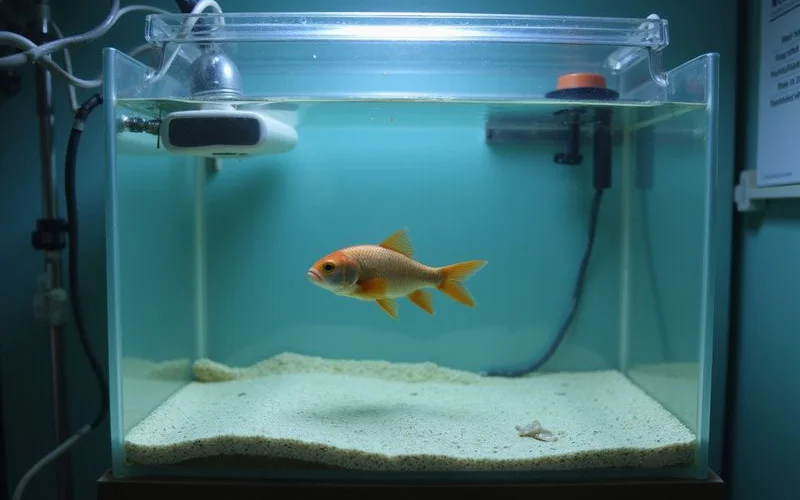
Prevention Beats Treatment
The best way to handle common freshwater fish diseases is to prevent them from happening in the first place. These two habits will stop the vast majority of problems before they start.
- Quarantine all new fish for 2-4 weeks. A simple 10-gallon tank with a heater and a sponge filter is all you need. This isolation period gives you time to observe the new arrivals for any signs of illness before they can infect your main display tank.
- Perform weekly water changes of 25-30%. Always use a dechlorinator. Consistent water changes keep the levels of ammonia, nitrite, and nitrate low, which reduces stress on your fish and supports their immune systems. A healthy environment is their best defense.
For betta-specific issues, you can read our guide on common betta diseases. You can also browse our community fish stock, where every fish is quarantined for a full two weeks in our system before it’s available for sale.
If you see signs of sickness in your tank and aren’t sure what to do, don’t guess. Bring us a water sample for a free in-store test and a clear photo of the affected fish on your phone.
Our team will help you get a proper diagnosis. We’ll recommend the right medication to get your aquarium healthy again.