Saltwater Fish Compatibility — What NOT to Mix
Tangs, angels, damsels, wrasses, gobies. Six aggression rules that decide whether your saltwater stocking plan will work.
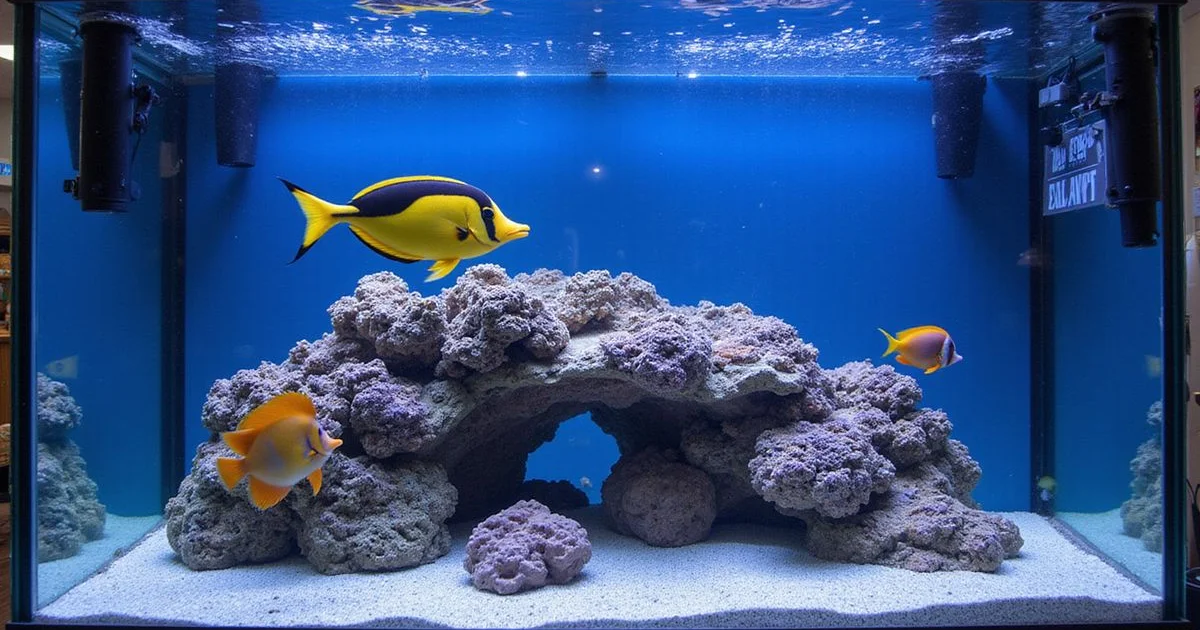
You know how a carefully planned reef tank stocking list can be the difference between a stunning display and a constant, expensive battle. A plan that ignores saltwater fish compatibility isn’t just a document, it’s a recipe for losing fish.
Saltwater compatibility is far more nuanced than freshwater. Each marine fish has evolved for a specific niche, which means its behaviors around territory, food, and its own kind are deeply ingrained.
Ignoring these hardwired instincts is where most of the trouble starts.
We see it all the time. An incompatible addition turns a peaceful community into a war zone, and it’s a stressful and costly lesson to learn. So, let’s walk through the rules our team uses to build stable, long-lasting saltwater communities.
Rule 1: Same-genus same-tank often fails
Most marine fish see members of their own genus, and sometimes even fish with a similar body shape or color, as direct competitors for food and territory. This is called congeneric or conspecific aggression, and it’s a primary driver of conflict.
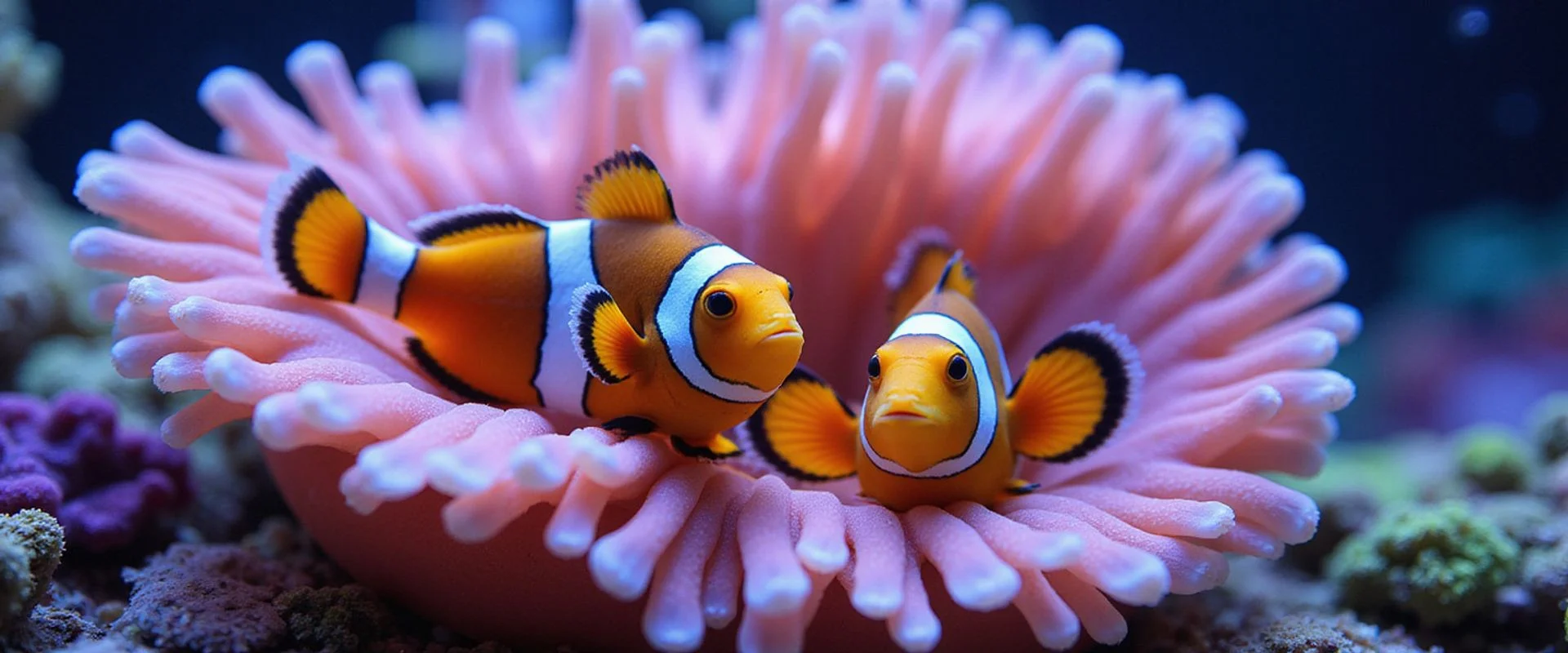
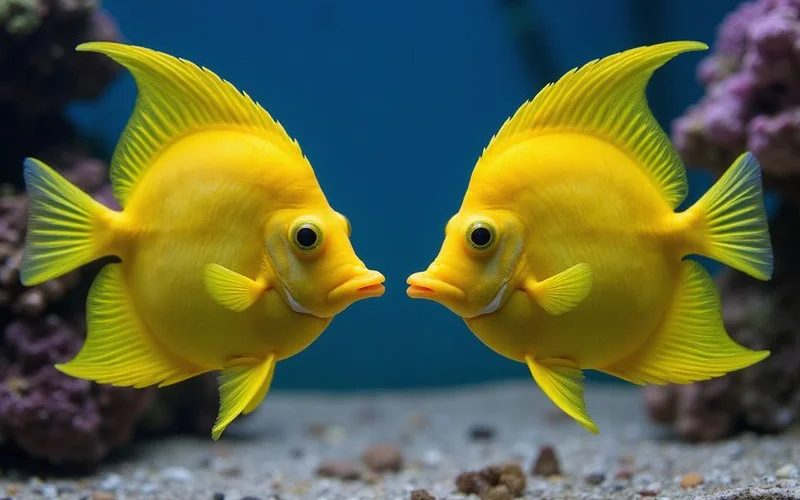
For example, two Yellow Tangs in an average home aquarium will almost certainly fight until one is dead. The same is true for two Royal Grammas or two Flame Angels. While you can sometimes keep Ocellaris Clownfish in pairs, adding a third individual usually results in the newcomer being bullied to death.
Our Guideline: Plan for one member of each genus per tank. The main exceptions are bonded pairs like clownfish or specific schooling species such as Anthias and, in very large systems, certain Chromis.
Rule 2: Add peaceful species first, aggressive last
The order in which you add fish to your tank is critical. We always advise starting with the most calm and shy species, like Firefish, Dartfish, or peaceful Gobies. Giving them the chance to be first allows them to explore the rockwork and establish their own territories without pressure.
Mid-way through your stocking plan is the time for semi-aggressive species, such as most Clownfish and Dottybacks. The most territorially aggressive fish, like Tangs, larger Angelfish, and Six-Line Wrasses, must always be added last.
Adding a peaceful fish to a tank where an aggressive one has already claimed the entire space is a death sentence. The new fish will be harassed relentlessly. A 2011 study from Case Western Reserve University confirmed that increased habitat complexity, like well-placed live rock with plenty of caves and hiding spots, can significantly reduce aggressive behaviors by breaking up lines of sight and creating more territories.
Rule 3: Tangs need swim space
Tangs, or Surgeonfish, are active swimmers that require significant horizontal swimming room. Tank size is non-negotiable for their health. Cramped quarters lead to stunted growth, constant stress, and a higher susceptibility to diseases like Head and Lateral Line Erosion (HLLE).
Different tangs have different needs. A Kole Tang or Tomini Tang can thrive in a 75-gallon tank, but a Yellow Tang does much better in a 100-gallon tank or larger. Larger species like the popular Blue Hippo Tang (made famous by Finding Nemo), Naso Tang, or Sailfin Tang need at least a 180-gallon tank to accommodate their adult size and activity level.
If you are considering a tang for a smaller tank, like a 55-gallon, we strongly advise against it. Our team can help you find a more suitable centerpiece fish that will thrive in your setup.
Rule 4: Damselfish are usually a mistake
The Damselfish family includes some of the hardiest, most colorful, and inexpensive fish available. Unfortunately, with a few exceptions, they are also some of the most aggressive. Species like the Domino, Three-Stripe, and Blue Devil Damsel may seem peaceful as juveniles, but they mature into relentless bullies. A 4-inch adult Domino Damsel can terrorize every other fish in a 75-gallon tank.
The Green Chromis Exception
Green Chromis (Chromis viridis) are technically a type of damselfish but are known for their peaceful, schooling behavior. However, they come with their own challenge. In home aquariums, a group of Chromis will often establish a dominance hierarchy, slowly picking each other off until only one or two remain. Forum discussions among hobbyists suggest this is often triggered by stress and inadequate feeding frequency in a confined space.
For the best chance of success with a school, we recommend a group of at least seven in a larger tank with plenty of space, and feeding small amounts multiple times a day.
Rule 5: Angelfish eat coral
Large angelfish like the Queen, French, and Emperor are stunning, but they are not considered reef-safe. They will graze on coral polyps, with a particular taste for LPS and SPS corals, causing significant damage.
Dwarf angels from the Centropyge genus, such as the Coral Beauty, Flame, and Lemonpeel, present a calculated risk. Some individuals may live in a reef tank for years without issue, while others will start nipping at corals immediately. Their compatibility often depends on the individual fish’s personality and how well-fed it is. We advise against adding any angelfish to a serious SPS coral tank, as the temptation is often too great.
Rule 6: Wrasses get more aggressive with age
The Six-Line Wrasse is a popular choice for controlling pests like bristleworms and pyramidellid snails. It is also known for becoming more aggressive as it matures. This fish can be a great addition, but it must be the last, or one of the last, fish added to the tank after all other peaceful inhabitants are well-established.
They are particularly known for bullying passive fish like Firefish and competing with other methodical hunters, like the Mandarin Goby, for food.
Wrasse Alternatives
If you’re looking for pest control without the attitude, there are several great alternatives to the Six-Line Wrasse.
| Wrasse Type | Aggression | Diet & Pest Control | Reef Safety |
|---|---|---|---|
| Six-Line Wrasse | Semi-aggressive, bullies timid fish. | Excellent. Eats bristleworms, flatworms, pyramid snails. | Reef-safe with corals, but may eat small ornamental shrimp. |
| Fairy Wrasses | Peaceful. Good community fish. | Eats small pests, but less targeted than a Six-Line. | Excellent. Generally ignores invertebrates. |
| Leopard Wrasses | Extremely peaceful and shy. | Eats small pests. | Excellent, but can be difficult to feed and requires a mature sand bed. |
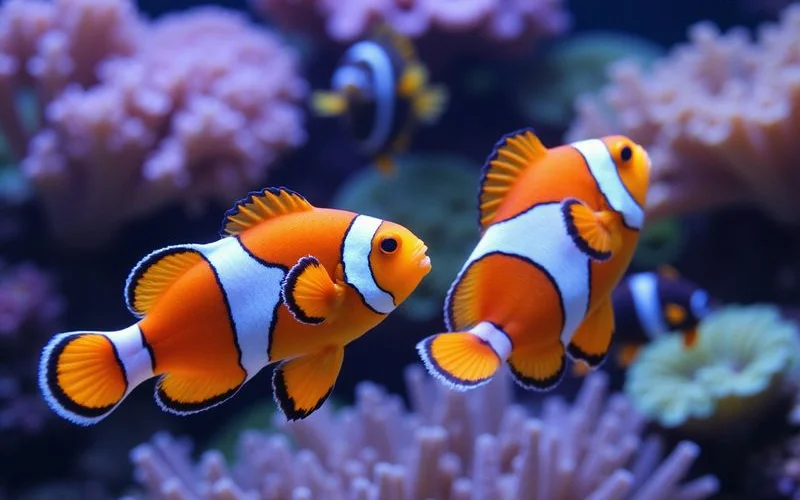
Combinations that genuinely work
Here is an example of a balanced stocking list for a 90-gallon mixed reef aquarium that respects these rules:
- A bonded pair of Ocellaris Clownfish
- One Royal Gramma
- One Firefish or a pair of Purple Firefish
- A Yellow Watchman Goby paired with a Pistol Shrimp
- A pair of Banggai Cardinals
- One Six-Line Wrasse (added several months after all others)
This stocking list puts 8 fish in a 90-gallon tank. Each species occupies a different level of the water column and has a unique niche, minimizing territorial disputes.
Combinations that fail
- Two damselfish of the same or different species in a 75-gallon tank. Eventually, one will dominate and likely kill the other.
- A Yellow Tang and a Yellow Watchman Goby. The similar bright yellow coloration can trigger the tang’s territorial aggression towards the much smaller goby.
- A Coral Beauty Angelfish in a thriving Acropora SPS reef. The temptation to graze on fleshy coral polyps is often too strong.
- A Mandarinfish and a Six-Line Wrasse. The wrasse is a faster, more aggressive hunter and will outcompete the slow, methodical mandarin for the copepod population. Research on wild mandarin gut contents confirms their diet is almost exclusively tiny crustaceans, so this competition can lead to starvation.
- Adding a new Ocellaris Clownfish to an already established pair. The pair will see the new fish as an intruder and attack it.
Quick decision flow
- Choose your tank size. This is the ultimate factor that determines your options.
- Pick a peaceful “core” group of 3 to 5 species. This could be a clownfish pair, a royal gramma, a firefish, and a goby/shrimp pair.
- Add any semi-aggressive or aggressive species LAST. This includes tangs, certain wrasses, and angelfish. Make sure you wait at least a month after the core group is established.
- Bring your stocking plan to us. Before you buy, let our team review your list. We can often spot potential conflicts you might have missed.
For more ideas on peaceful fish, you can see our guide to beginner saltwater fish for your first tank. Understanding the equipment differences is also key; our article on FOWLR vs reef tank explains the trade-offs that support different stocking choices.
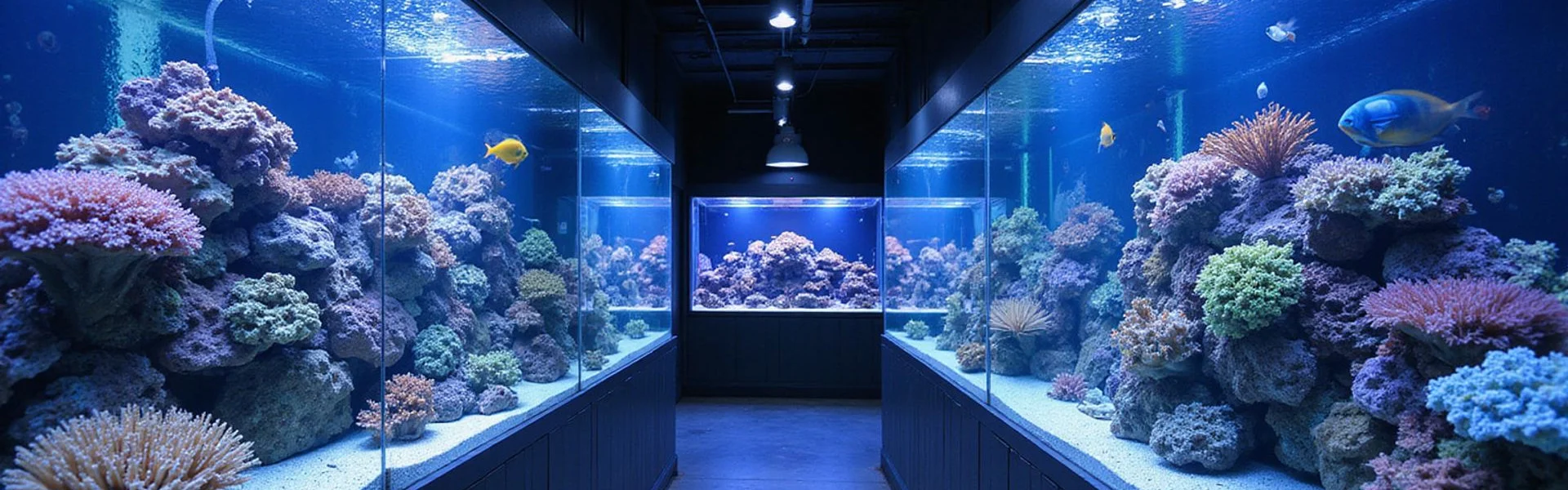
When you’re ready to start stocking, you can find our saltwater stock in our dedicated marine room. We are always happy to review your plan before you make a purchase. We’ve turned down sales for compatibility reasons before, because a successful tank is our number one goal.