Common Saltwater Fish Diseases — Ich, Velvet, and Flukes
Visual ID, treatment with copper or hyposalinity, and the prevention rules that save reef tanks.
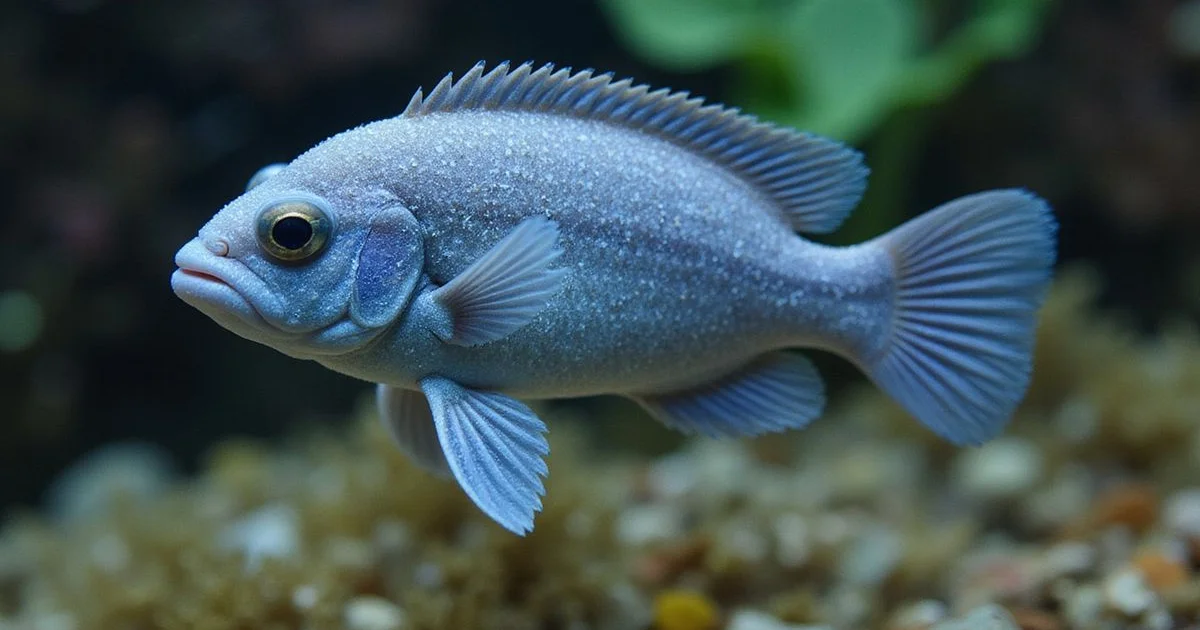
You know how quickly a dream aquarium can turn into a nightmare. One sick fish becomes two, and suddenly, the entire system you’ve worked so hard to build is at risk.
We see it all the time. An enthusiast buys a new fish and skips quarantine, or a small temperature swing stresses the tank’s inhabitants just enough for a latent disease to take hold. It is a frustrating, and often heartbreaking, part of the hobby.
This is especially true for saltwater tanks, where common diseases can wipe out an entire community in just a few days. The key is to catch these issues early and act decisively.
We’re going to break down the four most common saltwater fish diseases that cause the vast majority of losses. We will cover how to spot them, what’s happening on a biological level, and exactly what steps to take to treat them effectively.
1. Marine ich (Cryptocaryon irritans)
Signs: The classic sign of marine ich is discrete white spots that look like tiny grains of salt sprinkled on the fish’s body and fins. You may also see infected fish “flashing,” which is when they rub their bodies against rocks to try and dislodge the parasites. Other symptoms include rapid breathing, clamped fins, and a loss of appetite. We’ve noticed that tangs are particularly susceptible, while clownfish often show more resistance.
Cause: This disease is caused by a protozoan parasite, Cryptocaryon irritans, which has a complex, multi-stage life cycle. The parasite is only vulnerable to medication during its free-swimming “theront” stage, which lasts just 24 to 48 hours. The other stages, including the “tomont” stage where it reproduces in your substrate, can last from 3 to 72 days, which is why treatment must be so thorough.
Treatment:
- Move all fish to a separate hospital or quarantine (QT) tank. You can never treat for ich in a reef display tank, as the required medications are lethal to corals and invertebrates.
- Dose Fritz Mardel Coppersafe to achieve a therapeutic level of 2.0 to 2.5 ppm chelated copper. You must measure this level accurately with a quality test kit. We rely on colorimetric kits from Salifert or API, but for ultimate precision, a digital Hanna Checker is an excellent tool.
- Maintain this copper level for 30 days to ensure you’ve hit every wave of emerging parasites.
- Leave the display tank completely fishless (fallow) for 76 days. This is non-negotiable. It starves the parasite by denying it a host, breaking the life cycle completely.
For fish that are sensitive to copper, like certain wrasses or scaleless species, you can use hyposalinity. This involves slowly lowering the specific gravity in the hospital tank to 1.009 and holding it there for 30 days.
2. Marine velvet (Amyloodinium ocellatum)
This is the one we fear most, often called “the fish-killer.” Marine velvet is caused by a dinoflagellate parasite and is far more aggressive than ich. An outbreak can destroy an entire tank population in as little as 3 to 5 days if you don’t intervene immediately.
Signs: Velvet presents as a fine, dusty sheen on the fish’s body, often with a gold or rust-colored tint. This is very different from the distinct salt-like spots of ich. Fish will breathe very rapidly as the parasites attack the gills first. You will also see lethargy, clamped fins, and intense scratching against objects.
Cause: The parasite Amyloodinium ocellatum has a life cycle similar to ich, but it reproduces much faster. A critical difference is that this parasite is photosynthetic. It uses light to gain energy, which is an important factor in treatment.
Treatment:
- Immediate removal of all fish to a QT tank is critical. Time is not on your side.
- Begin treatment with a copper-based medication, like Fritz Mardel Coppersafe, aiming for a concentration of 2.0 to 2.5 ppm. Chloroquine phosphate is another highly effective treatment if you can source it.
- Hold the therapeutic dose for a full 30 days.
- Keep the hospital tank dark. Turning off the lights helps weaken the photosynthetic parasite and slow its reproduction.
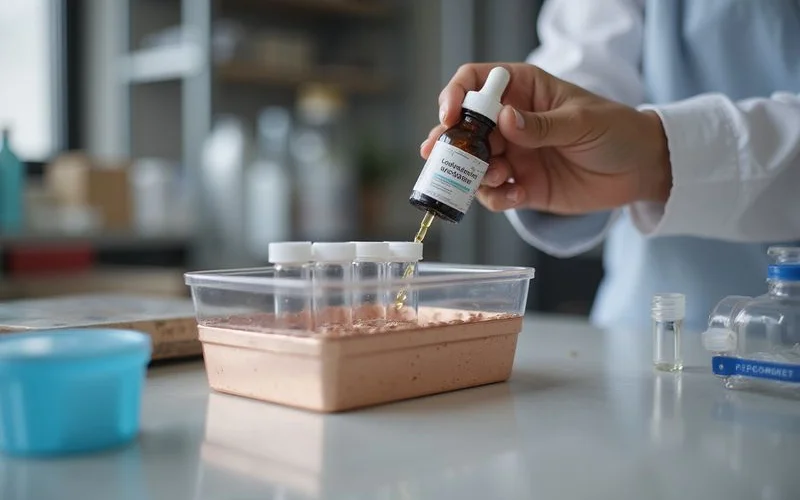
- Freshwater dips can provide temporary relief. A 5-minute dip in temperature and pH-matched freshwater can dislodge many of the external parasites from the fish’s body and gills.
3. Marine flukes (monogenean trematodes)
Flukes are a common problem that often gets misdiagnosed because they don’t create the obvious spots seen with ich or velvet.
Signs: The most common signs are flashing (rubbing on rocks), heavy and rapid breathing, and occasional head twitching. Because many species of flukes attach directly to the gills, respiratory distress is often the primary symptom. In some cases, you might see a hazy or cloudy appearance to the skin or eyes.
Cause: These symptoms are caused by parasitic flatworms called monogenean trematodes. They have a direct life cycle, meaning they don’t need an intermediate host to reproduce.
Treatment:
- A 5-minute freshwater dip is a great first step. Match the pH and temperature of the dip water to the tank water. This osmotic shock forces the flukes to detach. You can often see the tiny, sesame-seed-shaped worms at the bottom of the container after the dip.
- Treat the fish in a QT tank with a Praziquantel-based medication. Products like Fritz PraziCleanse are very effective and are generally safe for most fish.
- Follow the product’s instructions, but a typical treatment lasts 5 to 7 days.
- We recommend repeating the treatment after a week to eliminate any newly hatched flukes.
4. Brooklynella (clownfish disease)
As the name implies, this disease is most famous for affecting clownfish, especially wild-caught specimens. It’s incredibly fast-acting and can be fatal in just 24 to 48 hours.
Signs: The most telling sign is extremely heavy mucus production. The fish will look like it’s sloughing off its slime coat, often in thick, white sheets. You’ll also see rapid breathing and severe lethargy, with fish often resting on the bottom of the tank.
Cause: The culprit is Brooklynella hostilis, a ciliated protozoan parasite that attacks the gills and skin.
Treatment:
- A Formalin bath is the most effective treatment. Formalin is a 37% solution of formaldehyde and must be handled with care, using gloves and in a well-ventilated area.
- The standard dosage for a bath is 1 ml of Formalin per gallon of water for 30 to 60 minutes. Observe the fish closely for any signs of extreme distress.
- After the bath, move the fish to a clean hospital tank for observation and daily water changes.
- Due to its rapid progression, the prognosis for Brooklynella heavily depends on how early you begin treatment.
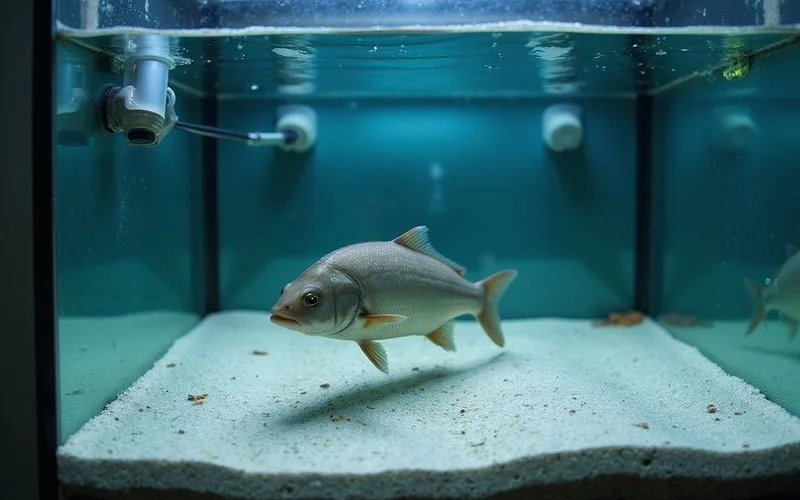
Why a separate hospital tank matters
You can’t cut corners with saltwater treatments. Unlike many freshwater remedies, the most effective marine medications are toxic to the invertebrates and corals that make a reef tank special.
- Copper is deadly to all invertebrates, including corals, shrimp, snails, and crabs.
- Hyposalinity will kill corals and most other inverts.
- Formalin is a harsh chemical that should only ever be used in a bare-bottom treatment tank.
Our advice is to have a 10 to 20-gallon QT tank ready at all times. Equip it with a heater and a simple sponge filter that you can seed with bacteria from your main tank’s sump. You’ll be thankful it’s cycled and ready to go the day you inevitably need it.
Prevention beats treatment
We can prevent over 95% of disease outbreaks by following a few strict rules. These practices are the foundation of a healthy, long-lasting marine aquarium.
- Buy from a source that quarantines. Our professional 2-week QT protocol is designed to screen for and eliminate common diseases before they ever reach our customers.
- Run your own home quarantine. For the first year of setting up your tank, running every new fish through a 4 to 6-week observation period in your own QT is the single best thing you can do to protect your investment.
- Maintain stable water parameters. Stress is the number one trigger for disease. Keeping your temperature (75-78°F), salinity (1.025-1.026 sg), and pH (8.1-8.3) rock solid is your best defense.
For information on freshwater diseases, you can see our guide to common freshwater fish diseases. If you are dealing with coral-specific problems, check out our resource on common coral pests and diseases.
If you suspect something is wrong with your fish, bring us a water sample for free water testing and a clear photo or video of the affected fish. We stock the necessary medications, including Coppersafe, PraziCleanse, and Formalin, and our team will help you get a proper diagnosis and treatment plan.