SPS vs LPS vs Soft Corals — Which to Start With
Difficulty, lighting, parameters, and visual style compared across the three coral families.
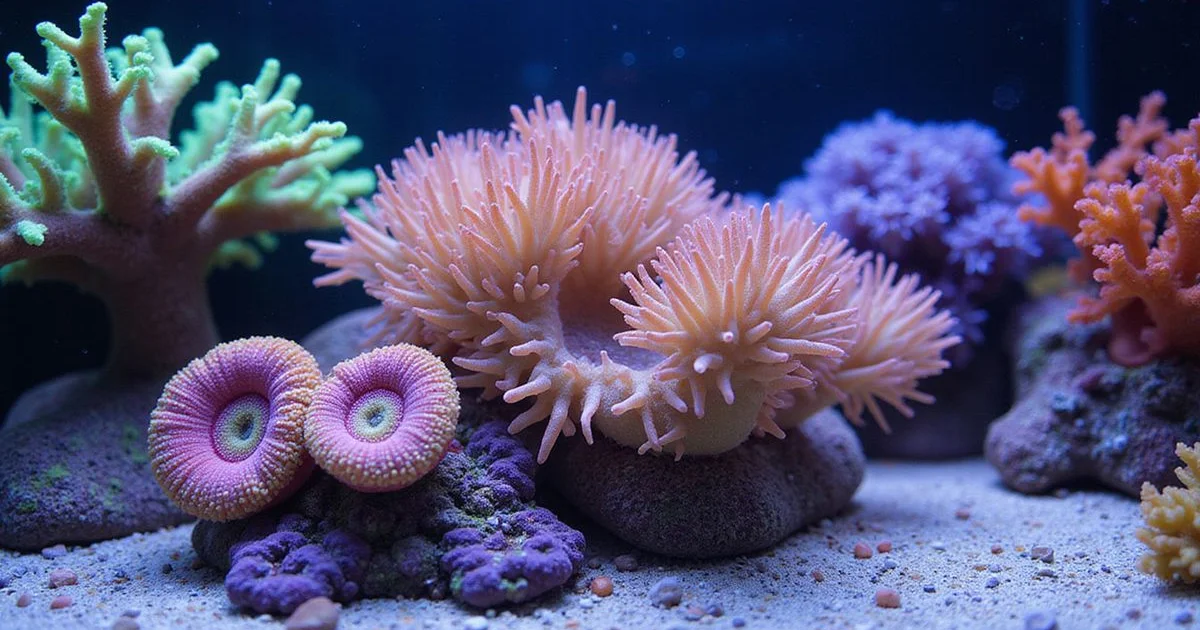
You know how it feels to look at a stunning reef tank, vibrant with color and movement, and wonder where to even begin.
The reality is that the three coral families that make up modern reef tanks are as different as distinct ecosystems. Choosing the right starting point is the single biggest factor that determines whether you end up with a thriving reef or a costly graveyard of $80 frags.
This isn’t just about picking what looks pretty. It’s about matching the coral’s needs to your tank’s maturity and your experience level.
Let’s break down the real-world differences between Soft Corals, LPS, and SPS, so you can make a choice that leads to success.
At a glance: SPS vs LPS vs Soft Corals
| Soft | LPS | SPS | |
|---|---|---|---|
| Difficulty | Easy | Moderate | Hard |
| Lighting (PAR) | 30 to 150 | 100 to 200 | 200 to 500+ |
| Alkalinity stability | Forgiving | Important | Critical |
| Calcium dosing | Optional | Yes | Yes (heavy) |
| Growth rate | Fast | Moderate | Slow to Moderate |
| Visual style | Flowing, organic | Bulbous, swaying | Branching, structural |
Soft corals
Examples: Zoanthids, mushrooms (Discosoma/Rhodactis), leather corals, Green Star Polyps (GSP), Xenia, Kenya tree, and devil’s hand.
Difficulty: Easiest. Our experience shows they tolerate the parameter swings common in new tanks, work well under modest lighting like the Current USA Orbit Marine, and most spread quickly. Some, like Green Star Polyps, grow so fast they can be invasive, so it’s wise to place them on isolated rocks.
Visual: Flowing and organic. These corals create the look of an underwater garden with carpets of colorful Zoanthids, the gentle sway of a toadstool leather coral, or the rhythmic beat of pulsing Xenia.
Skeleton: They lack a hard calcium carbonate skeleton, which is a major advantage for beginners. This means they don’t consume calcium and alkalinity at a high rate, significantly reducing the need for complex chemical dosing.
Best for: The first coral in a new reef tank, reefers who are still mastering their testing routine, or a mature tank looking to add easy, vibrant color.
LPS (Large Polyp Stony)
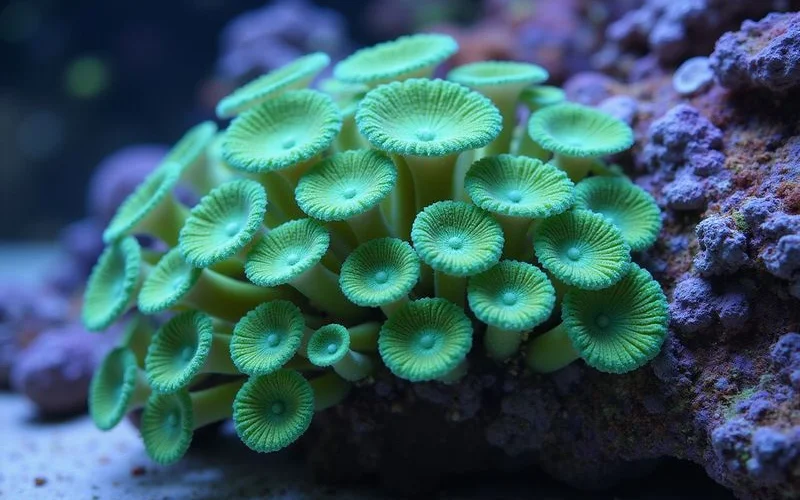
Examples: Euphyllia (hammers, frogspawn, torch corals), Acanthastrea (Acans), chalice, favia, blastomussa, and brain corals.
Difficulty: Moderate. These corals are a step up and require more stability. We find success keeping our LPS systems at a stable alkalinity between 8 to 9 dKH. They also need reef-grade lighting, such as a Kessil A360X or an EcoTech Marine Radion, to show their best colors. They are not nearly as forgiving of parameter swings as soft corals.
Visual: Bulbous, fleshy polyps, often with long, flowing tentacles that create dramatic movement. Hammer and torch corals are frequently the stunning centerpieces of established reef tanks.
Skeleton: LPS corals have a calcium carbonate skeleton, meaning they actively consume alkalinity and calcium from the water. This makes consistent two-part dosing with products from brands like BRS Pharma or using a kalkwasser reactor essential for their health.
Best for: A tank that has been established for at least six months and is run by a reefer who has a consistent water testing and dosing routine.
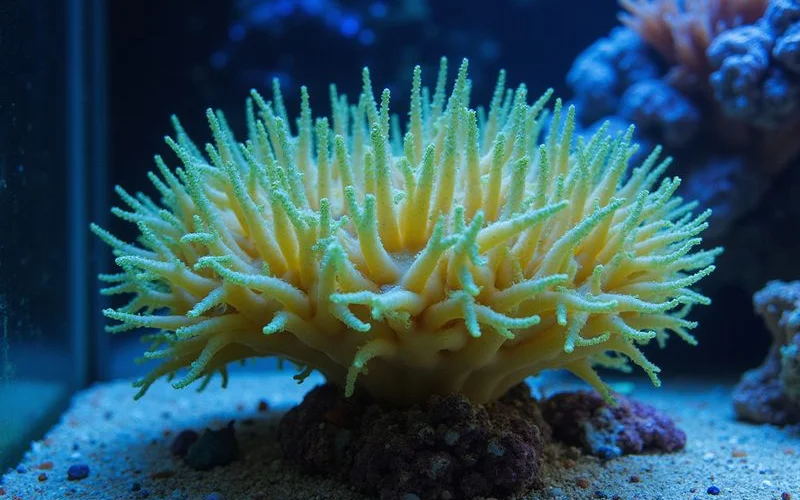
SPS (Small Polyp Stony)
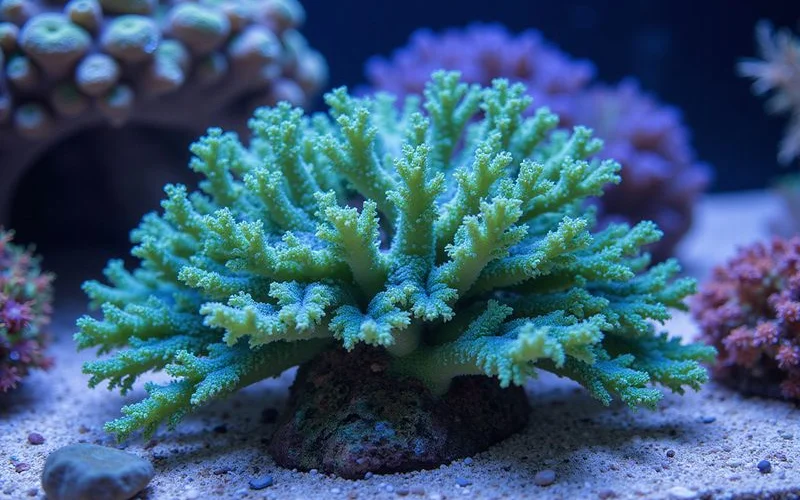
Examples: Acropora, Montipora, Stylophora, Pocillopora, and Seriatopora (Birdsnest).
Difficulty: Hardest. This is the pinnacle of the hobby for many, and it demands precision and stability. SPS corals require extremely stable parameters, with daily alkalinity variance kept under 0.5 dKH. They need high-intensity lighting to achieve PAR levels of 200 to over 500. An SPS coral can suffer from Rapid Tissue Necrosis (RTN) and perish within 24 hours if a significant parameter swing occurs.
Visual: Intricate branching and plating structures that create a classic reef look. The most sought-after Acropora colonies become the structural backbone of the world’s most impressive reef tanks. Their vibrant color comes from a combination of their symbiotic zooxanthellae and unique pigment proteins, both of which are highly responsive to specific lighting spectrums.
Skeleton: They have dense calcium carbonate skeletons and consume alkalinity and calcium very aggressively. Mature SPS-dominant tanks often require automated dosing pumps, like the Neptune Systems DOS, or a calcium reactor to keep up with the demand.
Best for: Reefers with over a year of experience maintaining rock-solid parameters, who have invested in high-output lighting and have a proven track record of proactive tank management.
The progression most reefers take
The path to a successful reef tank is a marathon, not a sprint. Here is the progression that we’ve seen work for countless successful hobbyists.
- Months 1 to 6: Cycle and stabilize the new tank. Many start with a fish-only-with-live-rock (FOWLR) system. The main goal here is getting your parameters stable and reliable.
- Months 6 to 9: Add the first soft corals. This is the time for Zoanthids, mushrooms, and leather corals. Use this phase to perfect your process for dipping, acclimation, and finding the right placement.
- Months 9 to 18: Introduce easy LPS corals. Euphyllia species like hammers and frogspawn, or durable Acans and Chalices are great choices. This is typically when a two-part dosing regimen is introduced to maintain alkalinity and calcium.
- Months 18+: Time for the first, easier SPS corals. Hardy species like Birdsnest (Seriatopora) or certain types of Montipora are excellent entry points. This step requires you to watch your water parameters with much greater attention.
- Year 2+: Attempt Acropora, the so-called “trophy SPS.” These should only be added once your tank has demonstrated at least a full year of unwavering stability.
From our experience in the shop, reefers who try to jump straight to SPS corals in the early months almost always lose a lot of money to RTN before learning the importance of this progression.
Mixing all three coral types in one tank
A mixed reef containing all three coral types is the goal for many, and it’s certainly achievable. It just requires careful planning and the right equipment.
- High-end, controllable lighting: You’ll need a powerful light, like an AI Hydra 64 or EcoTech Radion G6, that can provide high PAR at the top for SPS while offering lower intensity zones elsewhere.
- SPS-level stability: The entire system must maintain the tight parameters required by the most demanding SPS corals.
- Smart placement: The key is to create zones. We place SPS at the top of the rockwork for maximum light and flow, LPS in the middle ground, and soft corals on the sandbed or lower rocks where conditions are less intense.
In our display reef rooms, we run a mixed tank specifically so customers can see how all three coral types live together when conditions support them all.
What we’d put in a starter reef
If you have a 75-gallon tank that is six months old and ready for its first corals, here is a fantastic starting list.
- Five different color varieties of Zoanthid colonies
- Two or three leather corals, like a Toadstool and a Devil’s Hand
- One or two rocks covered in Green Star Polyps (GSP)
- A cluster of assorted mushroom corals
- After three more months of stability: one hammer or frogspawn LPS coral
This collection will cost around $200 to $300 and will grow to fill the space beautifully within about six months.
For more details, see our guide on the best beginner soft corals. When you’re ready for the next step, our articles on SPS water parameters and coral lighting requirements will guide you.
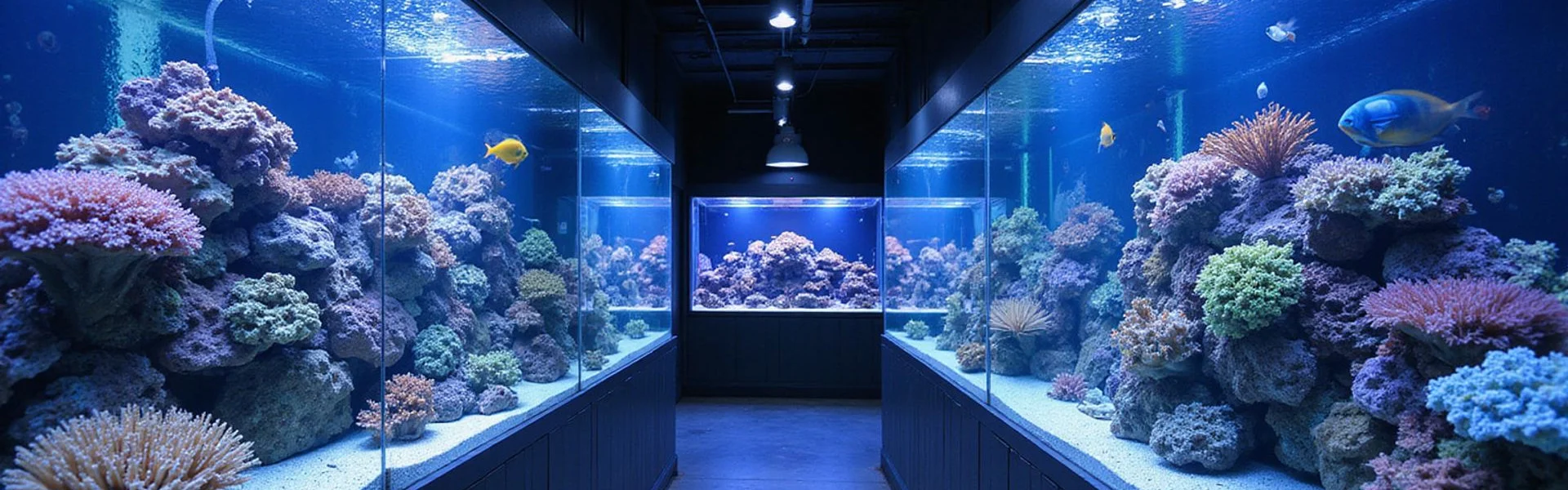
Our coral stock is grouped by difficulty in our display tanks, so you can walk in and see exactly what’s appropriate for a beginner, intermediate, or advanced reefer.