Freshwater vs Saltwater — Which Is Right for Your Sarasota Home?
Cost, time, complexity, and visual payoff compared. Honest answer: for most people, start freshwater.
You’ve decided to bring an aquarium into your home or business, which is fantastic. Now you face the first big question: freshwater or saltwater?
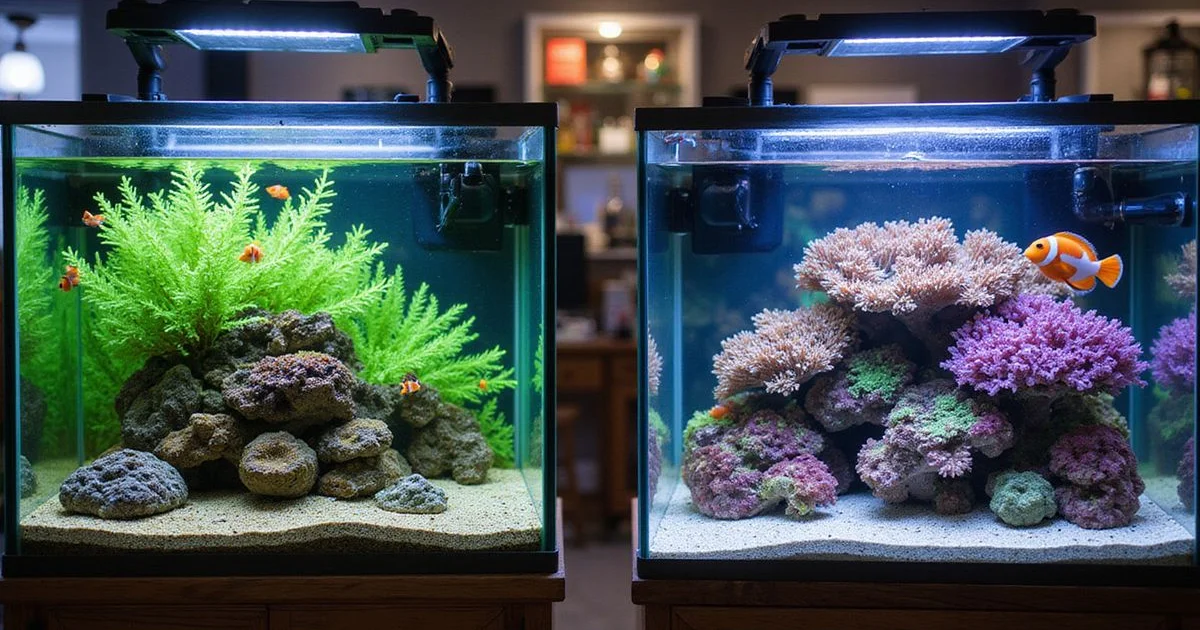
The honest framing is simple. Freshwater is significantly easier and cheaper to start. Saltwater is more visually spectacular but also more involved.
As a team that sets up and maintains tanks all over the Sarasota area, we want to give you a clear, practical breakdown. Let’s look at the real-world differences in cost, time, and complexity to help you make your first aquarium choice.
Cost (first year, 30 to 75 gallon tank)
The initial and ongoing costs are probably the biggest factor in the freshwater vs saltwater aquarium debate. Saltwater is a larger investment, especially for a full reef tank.
Our team has put together some realistic first-year estimates for a complete setup.
| Category | Freshwater | Saltwater (Fish Only) | Saltwater (Reef) |
|---|---|---|---|
| Tank, filter, heater, light | $250 | $700 | $1,200 |
| Substrate, decor, live rock | $80 | $250 | $300 |
| First-year fish & invertebrates | $150 | $300 | $600+ |
| Salt & RO/DI water (annual) | $0 | $400 | $600 |
| Test kits & supplements | $30 | $80 | $200 |
| Estimated Year-1 Total | ~$510 | ~$1,730 | ~$2,900 |
A freshwater setup is roughly one-fourth to one-sixth the cost of a comparable saltwater build. The main drivers for saltwater’s higher price are the need for stronger lighting for corals, protein skimmers to clean the water, and the continuous cost of salt and purified water.
Time commitment
After the initial setup, the weekly time commitment is the next major difference. A reef tank demands the most attention to keep the delicate ecosystem stable.
- Freshwater (30-gallon): Plan on about 30 minutes a week. This involves a simple 25% water change using a dechlorinator like Seachem Prime, scraping any algae, and a quick filter check. You’ll only need to test water parameters monthly once the tank is established.
- Saltwater FOWLR (75-gallon): This requires around 45 minutes per week. You will perform a 10 to 20% water change with pre-mixed saltwater, test for salinity and ammonia weekly, and empty the protein skimmer’s collection cup.
- Saltwater Reef (75-gallon): A reef tank is a more significant time investment, often 60 to 90 minutes per week. The weekly water change is just the start. You’ll also need to test salinity, alkalinity, calcium, magnesium, nitrate, and phosphate, and then dose supplements to keep those parameters stable for coral health. Most reef keepers also add fresh RO/DI water daily to replace what has evaporated.
If you travel often or have a demanding work schedule, the lower time commitment of a freshwater tank is a definite advantage.
Complexity
This is the heart of the “is saltwater harder than freshwater” question. Yes, it is, primarily due to water chemistry.
Freshwater Complexity The science is straightforward. You need to understand the nitrogen cycle, which is how beneficial bacteria process fish waste. Once you grasp that, you’re most of the way there. Using tap water treated with a good dechlorinator in a cycled tank is a proven recipe for success. Beginner-friendly fish are also extremely resilient.
Saltwater Complexity Saltwater chemistry is much less forgiving.
- Salinity: The salt level must be kept stable, ideally at a specific gravity of 1.025.
- RO/DI Water: Sarasota’s tap water is not suitable for saltwater tanks. Its Total Dissolved Solids (TDS) are too high, which can fuel massive algae outbreaks. You must use Reverse Osmosis Deionized (RO/DI) water.
- Parameter Stability: For corals, key parameters like alkalinity, calcium, and magnesium must be stable. Chasing perfect numbers is a common beginner mistake; the key is preventing wide swings.
Visual payoff
Both types of aquariums can be stunning, but they offer very different aesthetics.
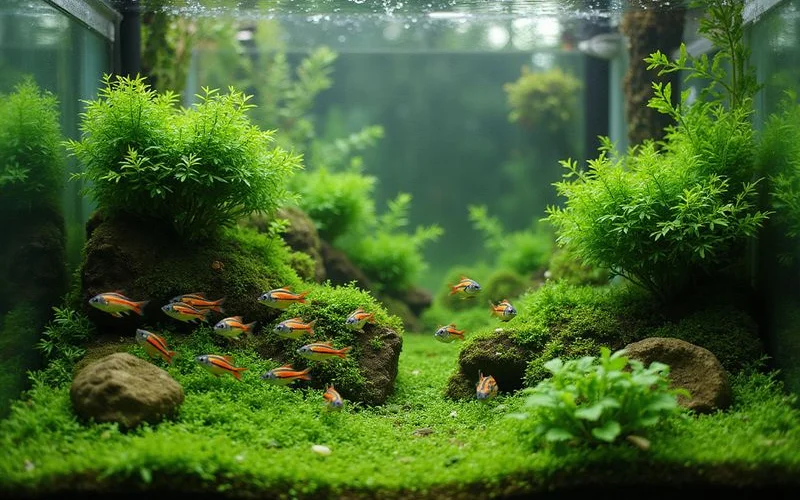
A well-planted freshwater tank is a vibrant, living piece of art. Watching a school of Cardinal Tetras swim through lush plants is genuinely meditative. The “Nature Aquarium” style, pioneered by Takashi Amano, uses plants, wood, and stone to create breathtaking underwater landscapes that can rival any reef.
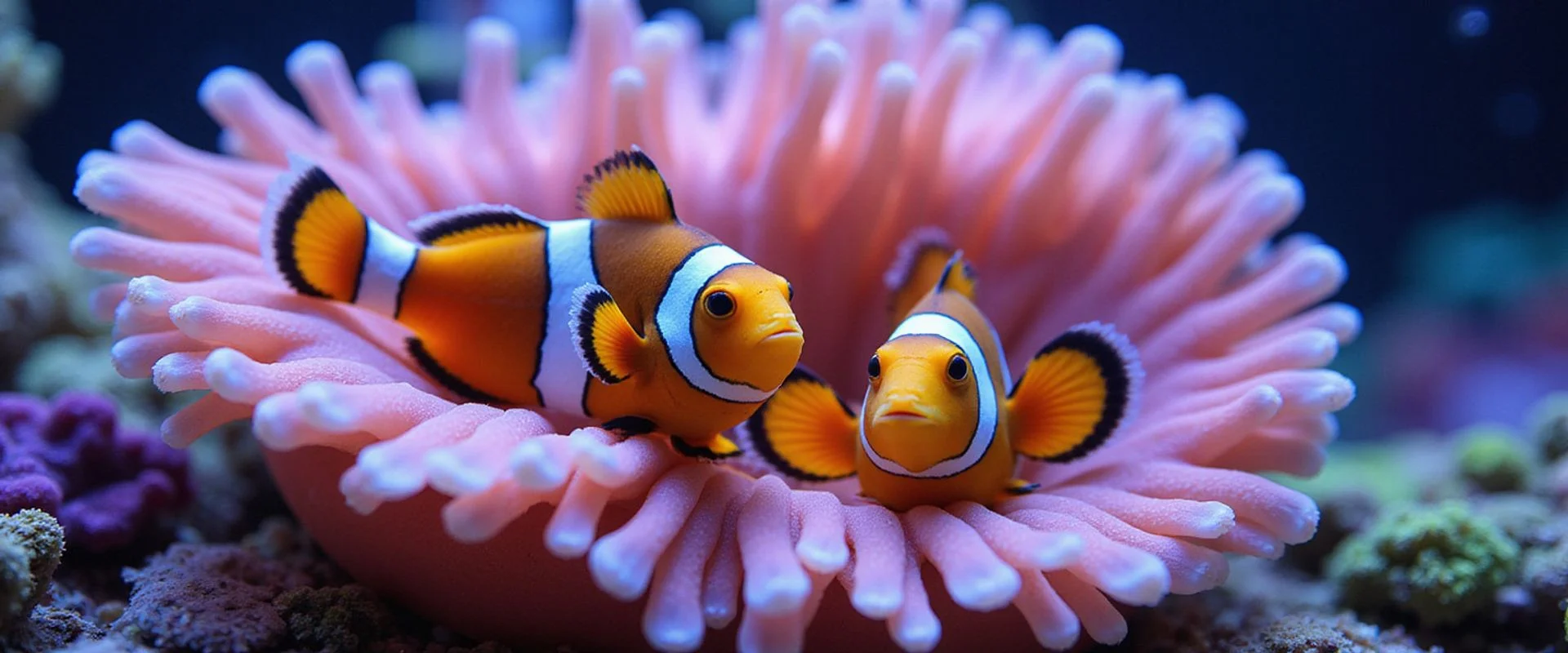
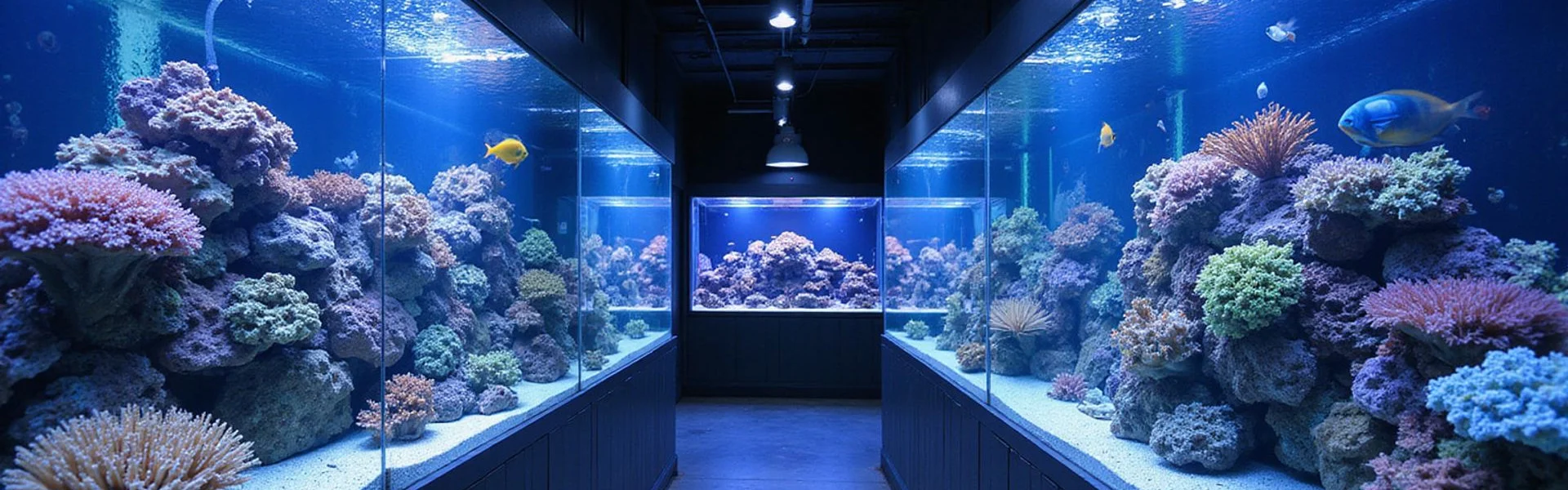
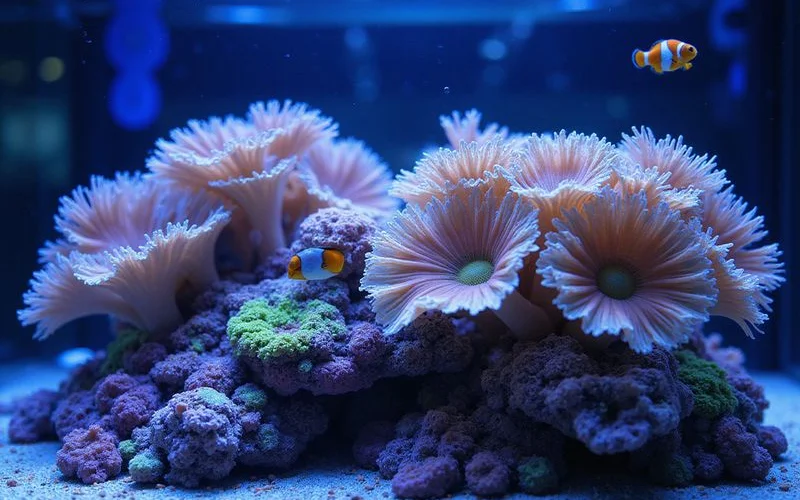
A saltwater reef tank offers a different kind of spectacle. The fluorescent colors of corals under specialized LED lighting are something you can’t replicate in freshwater. The behavior of marine life, like a pair of clownfish hosting in an anemone, provides endless fascination.
For the most visual impact per dollar, a planted freshwater tank wins. For sheer, jaw-dropping spectacle, nothing beats a reef.
What can go wrong
Mistakes happen in any hobby, but the consequences are often more severe and costly in a saltwater aquarium.
- Freshwater Failures: The most common issues are forgetting to dechlorinate tap water during a water change, overfeeding, or adding incompatible fish. Usually, these mistakes might cost you a few fish, but a complete tank crash is rare.
- Saltwater Failures: The system is less resilient. A small drift in salinity can kill invertebrates. A swing in alkalinity can damage corals. A single fish with a disease like Marine Ich (Cryptocaryon irritans) can wipe out an entire tank if not caught early. A power outage is also far more dangerous, as oxygen levels can plummet in just a few hours.
A critical practice for both tank types is using a separate quarantine tank for all new fish. This simple step prevents the introduction of diseases that could destroy your established display tank.
Sarasota-specific notes
Living in Sarasota presents a few unique considerations for keeping an aquarium.
- Our Tap Water: The tap water here is hard and alkaline, which is actually great for many popular freshwater fish like livebearers and African cichlids. However, it is treated with chloramine, so you need a dechlorinator that neutralizes it. For saltwater, the high TDS makes our tap water unusable. You must invest in an RO/DI unit or buy purified water.
- Hurricane Risk: Every aquarium owner in Florida needs a hurricane plan. A power outage is the biggest threat. At a minimum, you need battery-powered air pumps. For a saltwater tank, a generator is almost essential to run pumps and maintain temperature, as the tank is much more vulnerable to a crash without circulation.
- Summer Heat: Our hot summers mean your home’s air conditioning will be running a lot. This can cause temperature swings in the tank. Make sure your aquarium heater is reliable and properly sized. For sensitive reef tanks, some hobbyists even add an aquarium chiller to keep temperatures stable.
Honest recommendation
So, which is the right freshwater vs saltwater aquarium for you? Here is the advice we give our clients.
If this is your very first tank, we strongly recommend you start with freshwater. A 20 to 30-gallon planted community tank is a fantastic learning experience. It teaches you about 90% of the core principles you’d need for saltwater later, but at a fraction of the cost and with a much wider margin for error.
If you have kept a freshwater tank for at least a year and are ready for a new challenge, a saltwater “Fish-Only-With-Live-Rock” (FOWLR) system is the perfect next step.
If your heart is set on a reef tank from the start, we can absolutely help you succeed. Our team will design a smart starter system with forgiving corals and fish. Just be prepared for a higher cost and a steeper learning curve during the first year.
For great freshwater starting points, see our guides on community fish stock and our top beginner Sarasota family aquarium picks. For those ready for the challenge, our saltwater stock list and the FOWLR vs reef tank guide are the best places to go next.